+86 15957161288
[email protected]
להתעורר עם גב כואב יכול באמת להרוס את כל היום. אם זה נשמע מוכר, אולי אתה שואל את עצמך אם מחנה חדשה היא הפתרון היחיד. אמנם חשוב מאוד להיות עם מיטה טובה, קיים פתרון פשוט וזול יותר שעומד בפני התעלמות – שכבה עליונה איכותית. שכבה זו יכולה לשנות דרמטית את תחושתה של המיטה הנוכחית שלך, ולהוסיף את סוג התמיכה או הריפוד הנכונים כדי להקל על הלחץ על עמוד השדרה. אך לא כל שכבה עליונה נוצרה שווה, במיוחד כשמדובר בהפחתת כאבי גב. בחירת השכבה הנכונה דורשת הבנה של כמה גורמים מרכזיים, מהחומר ועד לעובי. בואו נראה איך למצוא את השכבה העליונה המושלמת שתעזור לכם לישון בנוח יותר ולהתעורר מתר refreshed.
ראשית, חשוב להבין מדוע מזרן עליון יכול להוות שינוי משמעותי בכאב גב. המטרה העיקרית היא שיפור יישור החוליה. כששוכבים, החוליה צריכה לשמור על עקומה הטבעית שלה בצורת "S". מזרן רך מדי מאפשר לירכיים ולכתפיים לשקוע עמוק מדי, מה שגורם לעקימה לא טבעית של החוליה. מזרן קשה מדי אינו מאפשר מספיק מתיחה, ומייצר נקודות לחץ בירכיים ובכתפיים שיכולות לגרום ליישור לא נכון של החוליה. המזרן העליון פועל על ידי שינוי פני השטח של המזרן הקיים. הוא יכול להוסיף שכבת הגנה ופיטורין מלחץ למיטה קשה מדי, או לספק בסיס איתן ותומך יותר על מזרן שהפך רך מדי ונחלש. על ידי תיקון בעיות אלו, מזרן עליון טוב עוזר להפיץ את משקל הגוף באופן אחיד, מפחית את המתח על נקודות הלחץ, ומאפשר לשרירים להירגע לגמרי במהלך הלילה, מה שחשוב להפחתת כאבים ולהתאוששות.
החומר של המגבת הוא ככל הנראה הבחירה החשובה ביותר שתעשו. חומרים שונים מציעים תחושות ויתרונות שונים לסובלים מכאבי גב.
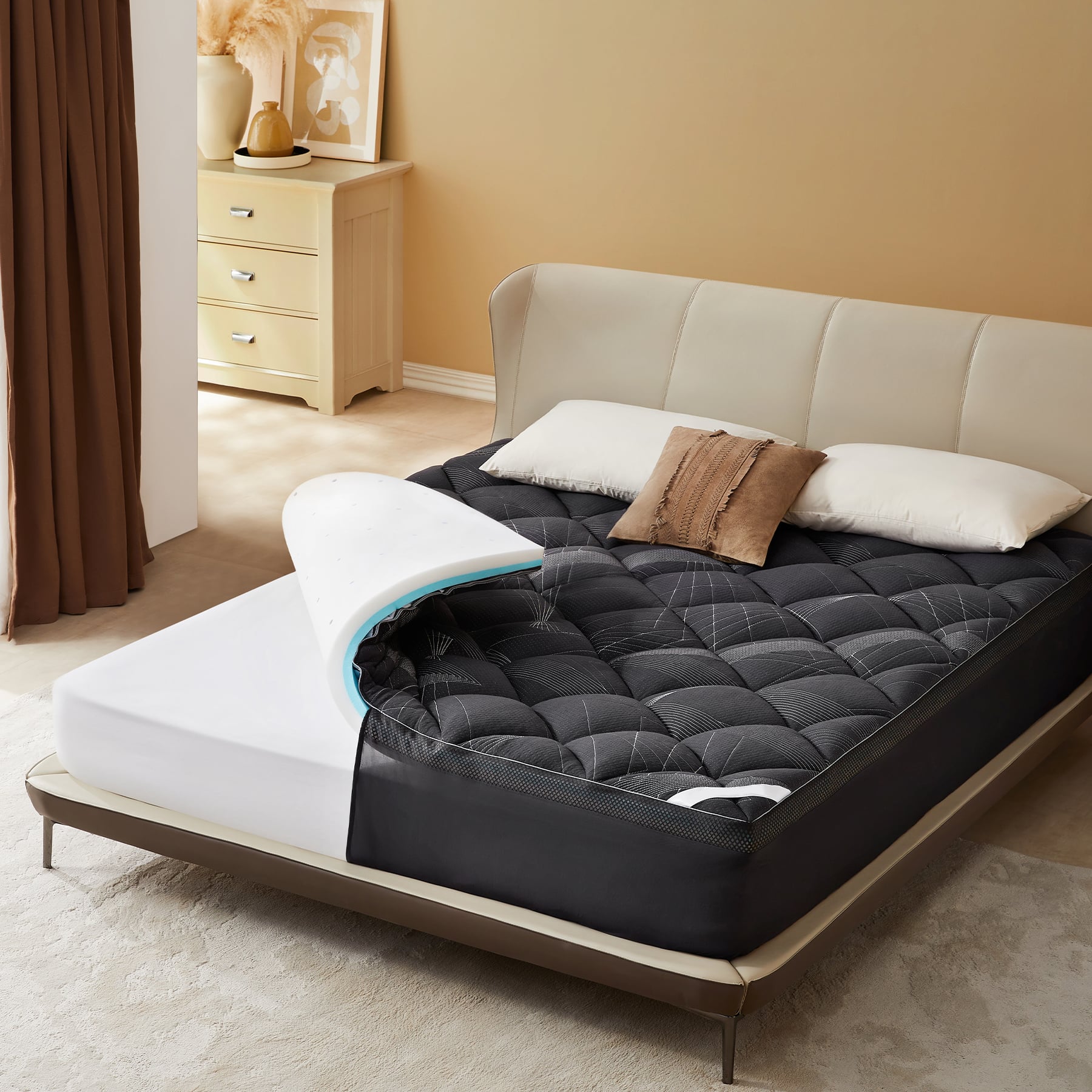
קצף זיכרון: זהו מועמד מוביל להפחתת כאבים. הוא ידוע בזכות תכונות הפחתת הלחץ שלו, שכן הוא מתאמה בצורה עדינה לצורת הגוף. זה יכול לעזור למלא את הפער מתחת לגב התחתון (אזור הלוומברלי) על מזרן קשה, ומספק תמיכה מעולה. כדאי לחפש 'ויסקו-אלסטי' או 'פוליין עם התאוששות איטית'. חלק מפוליין הזיכרון יכולים לגרום לחום, ולכן אם נוטים להתחמם, כדאי לחפש אפשרויות עם שילוב ג'ל או מבנה תאים פתוחים שמאפשרים זרימת אויר.
לטקס: שכבות הלטקס הן קפיציות, עמידות ותומכות מאוד. הן דוחפות חזרה על הגוף באורח קל, מה שעשוי להיות מעולה לשמירה על עמוד השדרה בפוזיציה נייטרלית. הן גם קרירות באופן טבעי ועומדות לאורך זמן. לטקס מגיע בצורות טבעיות (מעצי הגומי) או סינטטיות, כאשר לטקס טבעי נחשב לאפשרות היוקרתית והיותר רגישה יותר.
נוצות/צמר גפן או סיבים מלאים: טופרים אלו מתאפיינים בעיקר בריכוך עשיר, דמוי עננים. הם מוסיפים ריכוך אך מציעים מעט מאוד תמיכה מבנית. למישהו עם כאבי גב, ייתכן שהם יעילים רק אם מונחים על מזרן קשה במיוחד כדי להוסיף שכבת נוחות קלה, אך באופן כללי אינם מומלצים כפתרון עיקרי לתמיכה.
צמר או כותנה: טופרים אלו מסיבים טבעיים מספקים ריכוך מתון וטובים במיוחד ברגולציה של טמפרטורה. רמת התמיכה שלהם היא בדרך כלל בינונית. הם יכולים להיות בחירה טובה למי שרוצה אפקט ריכוך קל יחד עם משטח שינה נושם וטבעי.
לכאבי גב, חומרים שמספקים תמיכה מתאימה לצורה—כמו פלט.Memory Foam איכותי או לטקס—הם בדרך כלל הבחירה היעילה ביותר.
אחרי שבחרתם את החומר, הקפידו להתייחס לדקויות לעובי ולצפיפות שלו. مواصفות אלו קובעות עד כמה הטופר ישפיע באמת על תחושת המזרן שלכם.
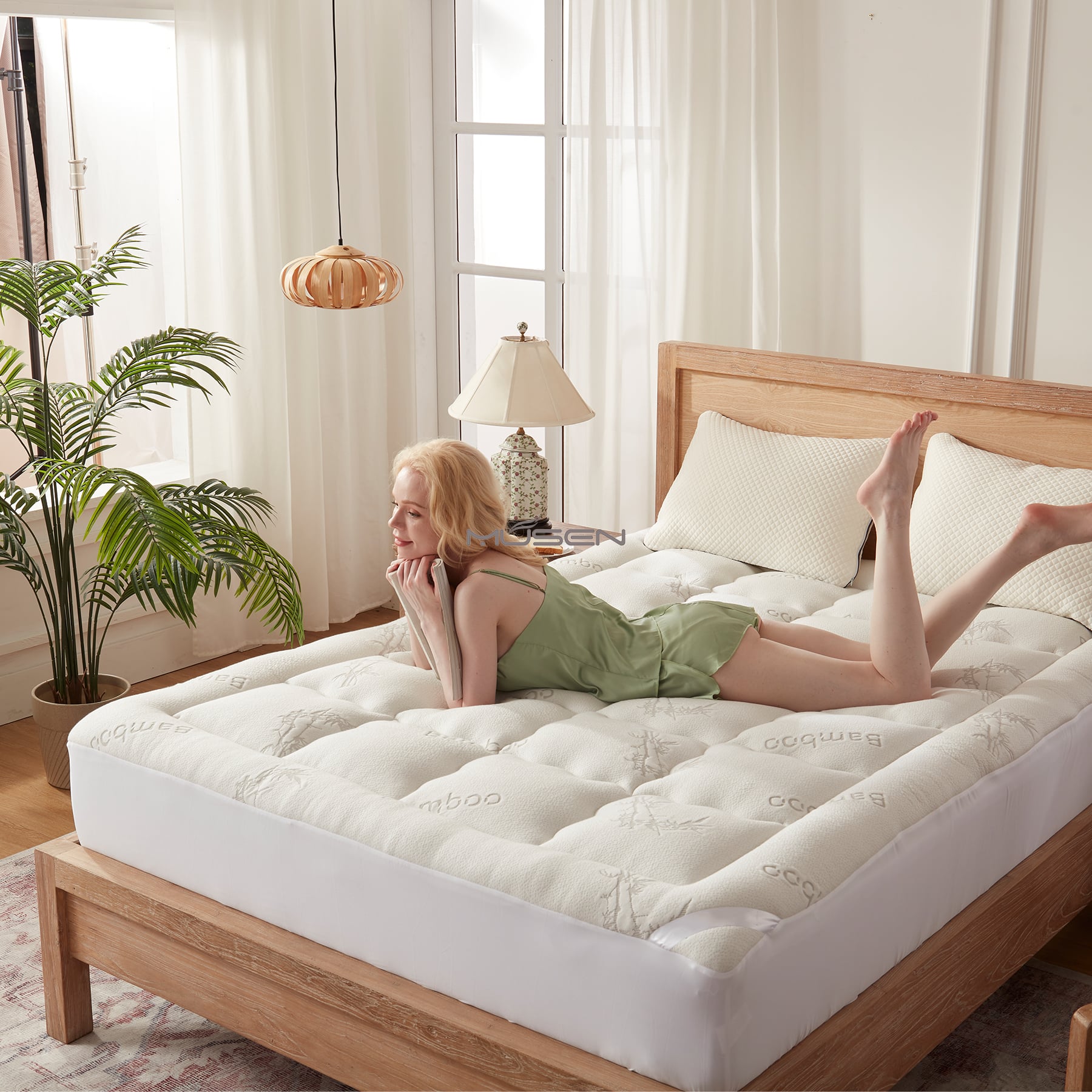
עובי הוא קריטי. כיסוי עליון מאוד דק (אינץ' אחד או פחות) ישנה רק מעט את תחושת המשטח. בבעיות גב, לעתים קרובות נדרשת כיסוי עליון עבה מספיק כדי לשנות באמת את האופן שבו הגוף מתנהג על המזרן. כיסוי עליון של 5-7.5 ס"מ יכול לספק הבדל משמעותי בספוג ובתמיכה. בחלק מהמקרים, כמו במזרן מאוד ישן או קשה, ייתכן שיהיה צורך כיסוי מזרן עבה במיוחד (בערך 7.5-10 ס"מ) כדי ליצור שכבת נוחות חדשה ומשמעותית שמסייעת להפחית נקודות לחץ בצורה יעילה.
צפיפות , במיוחד עבור כיסויים עליונים מפוליאתר, הוא חשוב באותה מידה. זה מתייחס לכמות החומר בערימה של רגל מעוקבת אחת של הפוליאתר, הנמדדת באונס (למשל, 3lb, 4lb, 5lb). פוליאתר בצפיפות גבוהה יותר (לרוב 4lb ומעלה) הוא עמיד יותר, מספק תמיכה טובה יותר, ומשתפר בהצמדות לגוף מבלי לשקע לגמרי. פוליאתר בצפיפות נמוכה עשוי להרגיש רך בתחילה אך עלול להתפורר במהירות ולא לספק את התמיכה לאורך זמן שהגב שלך צריך. תמיד בדוק את תיאור המוצר במידע על הצפיפות בעת קניית כיסויים עליונים מפוליאתר.
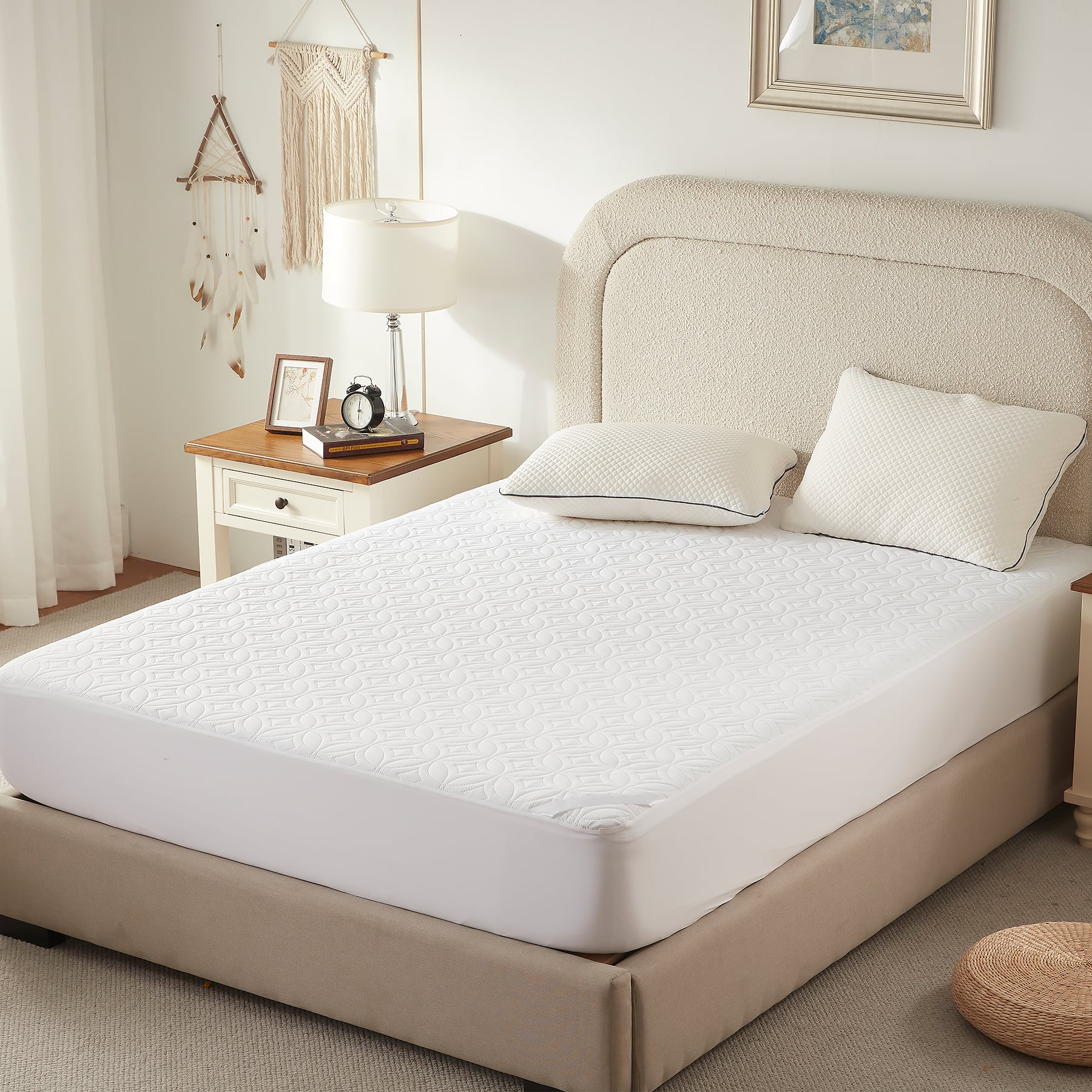
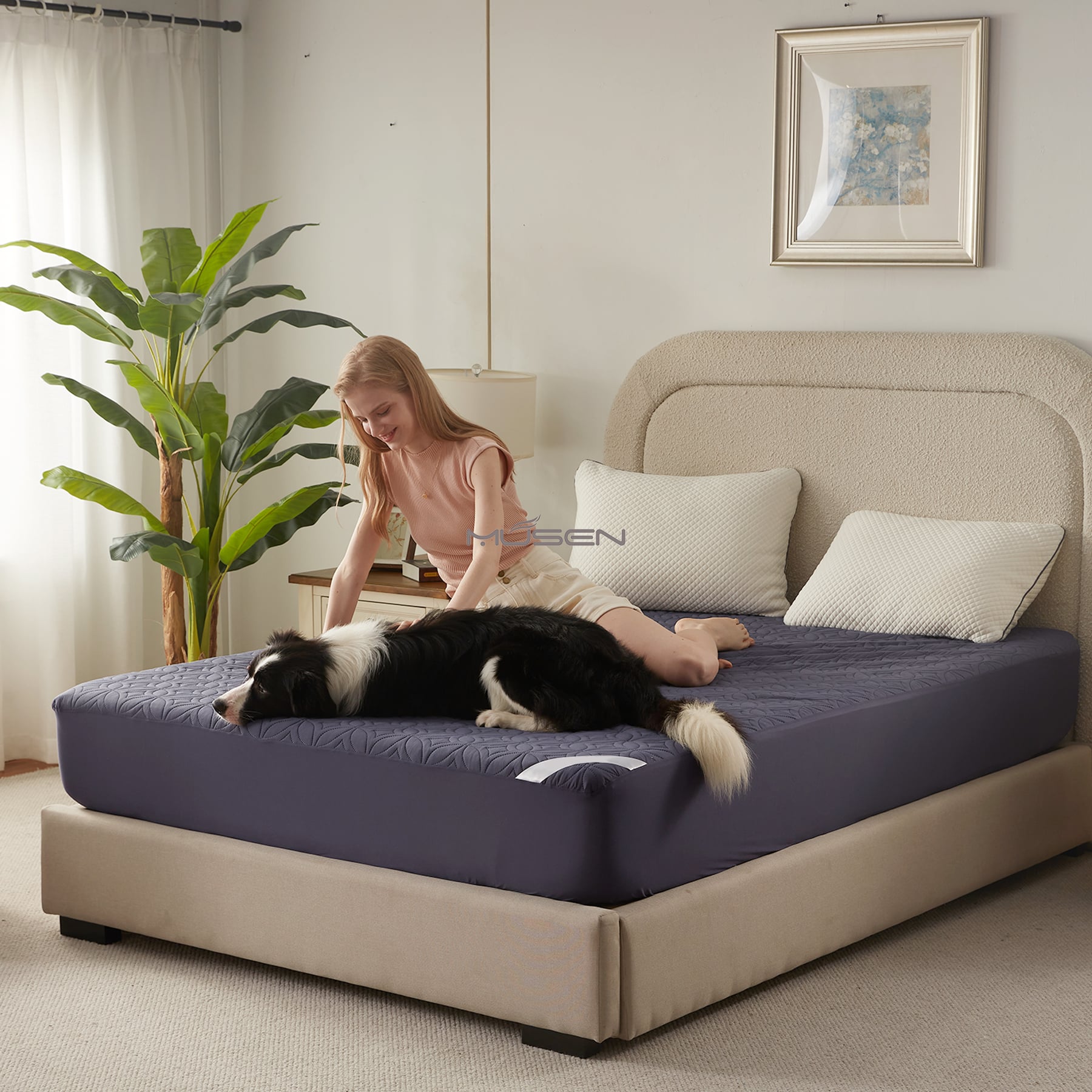
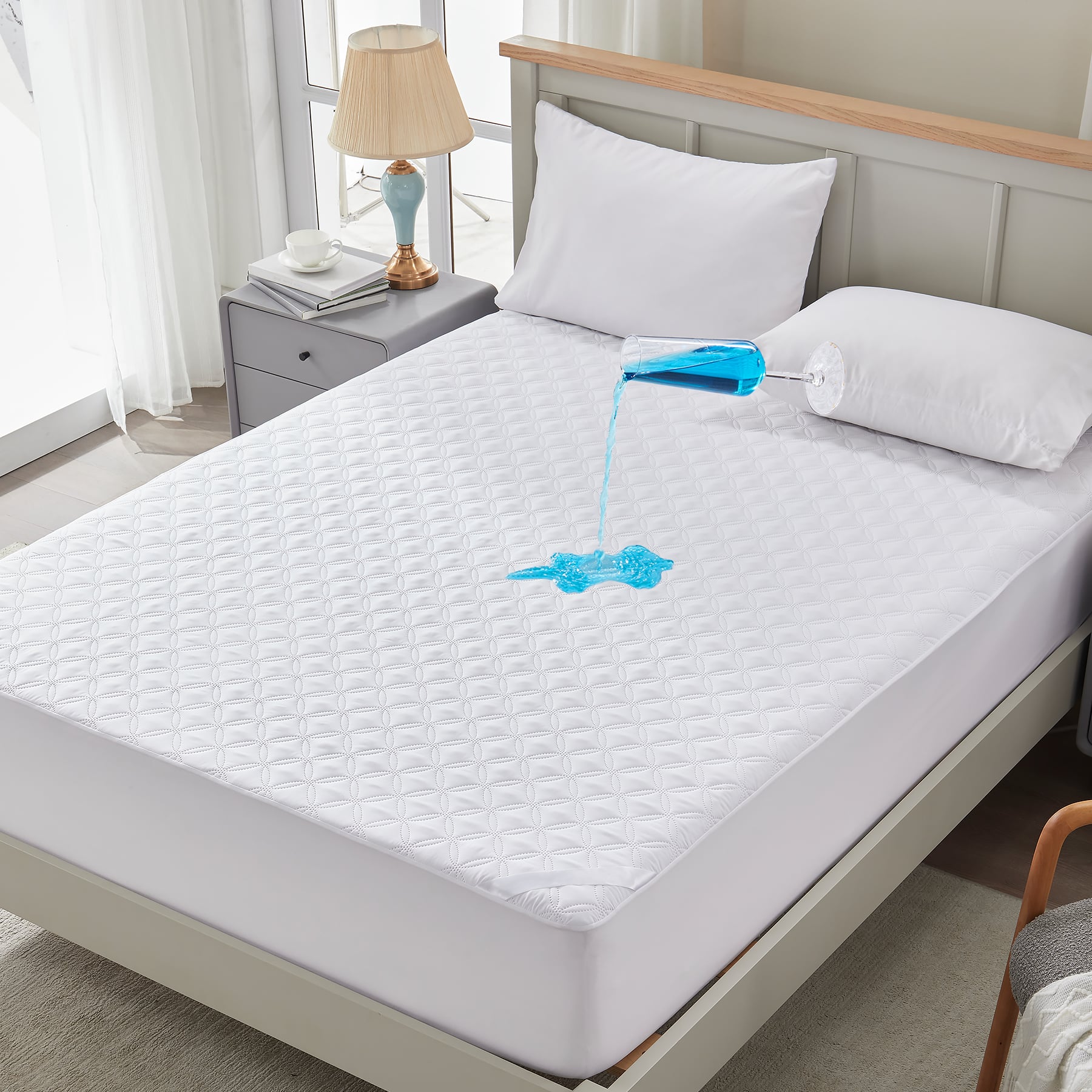
לבסוף, הפרטים המעשיים חשובים לשביעות רצון לטווח ארוך. ודאו שאתם בוחרים את הגודל הנכון (טווין, קווין, קינג וכו') למזרן שלכם. מזרנים מודרניים רבים עבים למדי, לכן חפשו כיסוי מיטה עם כיסים עמוקים או פינות חצאית גמישות שיכולות להכיל אותם. כיסוי מיטה שמתאים היטב לא יזוז במהלך הלילה, וזה קריטי לתמיכה עקבית. כמו כן, שקלו טיפול ותחזוקה. כיסוי נשלף וניתן לכביסה במכונה הוא יתרון עצום להיגיינה ואריכות ימים. הוא מגן על ההשקעה שלכם מפני שפיכות וכתמים ומקל על שמירה על רעננות משטח השינה שלכם. מכיוון שאתם משקיעים במזרן מיטה זה כדי לשפר את בריאותכם ושינתכם, בחירת כיסוי קל לטיפול מבטיחה שהוא ימשיך לספק יתרונות לשנים הבאות.
בחירת המזרן האופטימלי להפחתת כאבי גב אינה חייבת להיות משחק של ניחושים. על ידי התמקדות בחומרים תמיכה כמו ספוג זיכרון או לטקס, בחירה בסמיכות מתאימה (בהתחשב ב כיסוי מזרן עבה במיוחד לבעיות חמורות במזרן), ובדיקת פרטים כמו צפיפות והתאמה, ניתן להפוך את הסביבה לא מנוחה למפלט אישי למנוחה ולהתחדשות. מזרן שנבחר היטב הוא כלי פשוט אך עוצמתי שיעזור לכם לבסוף להתעורר ללא הכאבים המוכרים.
 חדשות חמות
2025-09-04
2025-09-02
2025-09-01
2025-07-08
2025-06-10
2025-12-25
האנגג'ואו מוסן מתמחה במגני מזרן impermeable איכותיים, שכבות מזרן וכלים לבית. OEM/ODM למלונות, מוכרים באמזון וקמעונאים. מעל 10,000 יחידות ביום. איכות עם אישור ISO. צרו קשר היום.
זכויות יוצרים © 2025 על ידי הובלה וייבוא שיאןצ'ן הנגז'ו, מק"מ מדיניות הפרטיות
 EN
EN