 EN
EN

Why Hotels Prioritize Specific Mattress Topper Features
Hotel managers put serious thought into buying mattress toppers since these items have a big impact on how guests feel during their stay, what the hotel spends day to day, and ultimately how people view the brand itself. When we talk about hotels versus regular homes, the requirements are completely different. Hotel rooms get used all day every day, so whatever gets put on those beds needs to last through constant traffic while still feeling good to anyone who sleeps there. Good quality mattress toppers actually make the underlying mattress last longer too, maybe around three to five extra years before needing replacement. And this matters financially speaking. For every thousand dollars spent upgrading to better toppers, hotels save at least five grand down the road when they wouldn't have had to replace worn out mattresses early. That math comes from research published in the Hospitality Procurement Journal back in 2023.
Beyond economics, these layers address critical pain points:
- Pressure point relief for guests with varying body types
- Thermal regulation neutralizing heat retention complaints
- Allergen barriers reducing deep-cleaning frequency
Hotels are really starting to see those 3 inch thick mattress layers and moisture wicking covers as essential parts of business rather than just fancy extras. We've seen data from the Guest Experience Index showing that one bad sleep complaint drops hotel ratings around 15 percent. That makes mattress quality something hotels absolutely cannot ignore when it comes to guest satisfaction. Most hotel managers look for mattresses that feel good right away but also last through years of constant use. Regular home shoppers don't think about this balance between comfort and durability nearly as much.
Core Performance Requirements for a Hotel Mattress Topper
Pressure Relief and Spinal Alignment Across Sleep Positions
The hospitality sector looks for mattress toppers that spread body weight evenly across the surface and keep the spine in a natural position regardless of how guests lie down. According to industry data, around 8 out of 10 upscale hotel toppers today feature what's called viscoelastic memory foam with a density rating above 4 PCF. This material responds quickly when someone moves during sleep and helps avoid those annoying pressure spots on the shoulders and hips. Guests actually report feeling significantly less stiff after staying in rooms with these kinds of toppers. The difference is especially noticeable among side sleepers, who need extra padding where their body naturally sinks into the mattress but still want good back support throughout the night.
Temperature Regulation: Gel-Infused Memory Foam, Breathable Covers, and Glaciotex Technology
When guests overheat during the night, their sleep suffers big time, so keeping temperatures in check is absolutely essential in hotels. The best mattress toppers for hotels actually contain special phase change gels within the foam layers that work by soaking up excess heat when it builds up and then releasing it back out as needed. Many models also feature covers made from breathable materials like bamboo or Tencel fabric, which allows air to circulate about 40 percent better than regular polyester options on the market today. Plus there's the open cell design that prevents heat from getting trapped inside. According to leading manufacturers, these advanced cooling systems can drop room temperature by around 3.5 degrees Fahrenheit compared with traditional toppers. That makes all the difference for guests trying to stay comfortable whether it's freezing cold outside or sweltering hot.
Allergen Resistance and Certifications Essential for Hospitality Use (OEKO-TEX Standard 100, GOTS, CertiPUR-US)
Cleanliness is clearly on travelers' minds these days, with nearly 7 out of 10 people putting it at the top of their concerns when booking accommodations. That's why most hotels now focus heavily on getting their mattress toppers certified through strict standards. The big ones they follow? First there's OEKO-TEX Standard 100 which makes sure there are no harmful dyes or heavy metals present. Then we have CertiPUR-US certification for foams that don't release volatile organic compounds. And finally, the Global Organic Textile Standard (GOTS) checks that all materials are genuinely organic. Almost every luxury hotel chain (about nine out of ten) has made these certifications mandatory across their properties. Hotels report that following these guidelines cuts down on allergens by almost 80% and actually helps the mattress toppers last longer even after repeated commercial cleanings.
Firmness, Thickness, and Durability Standards for Commercial Use
Optimal Firmness & Thickness (2–3 inch) for Consistent Guest Comfort and Bed Layer Integration
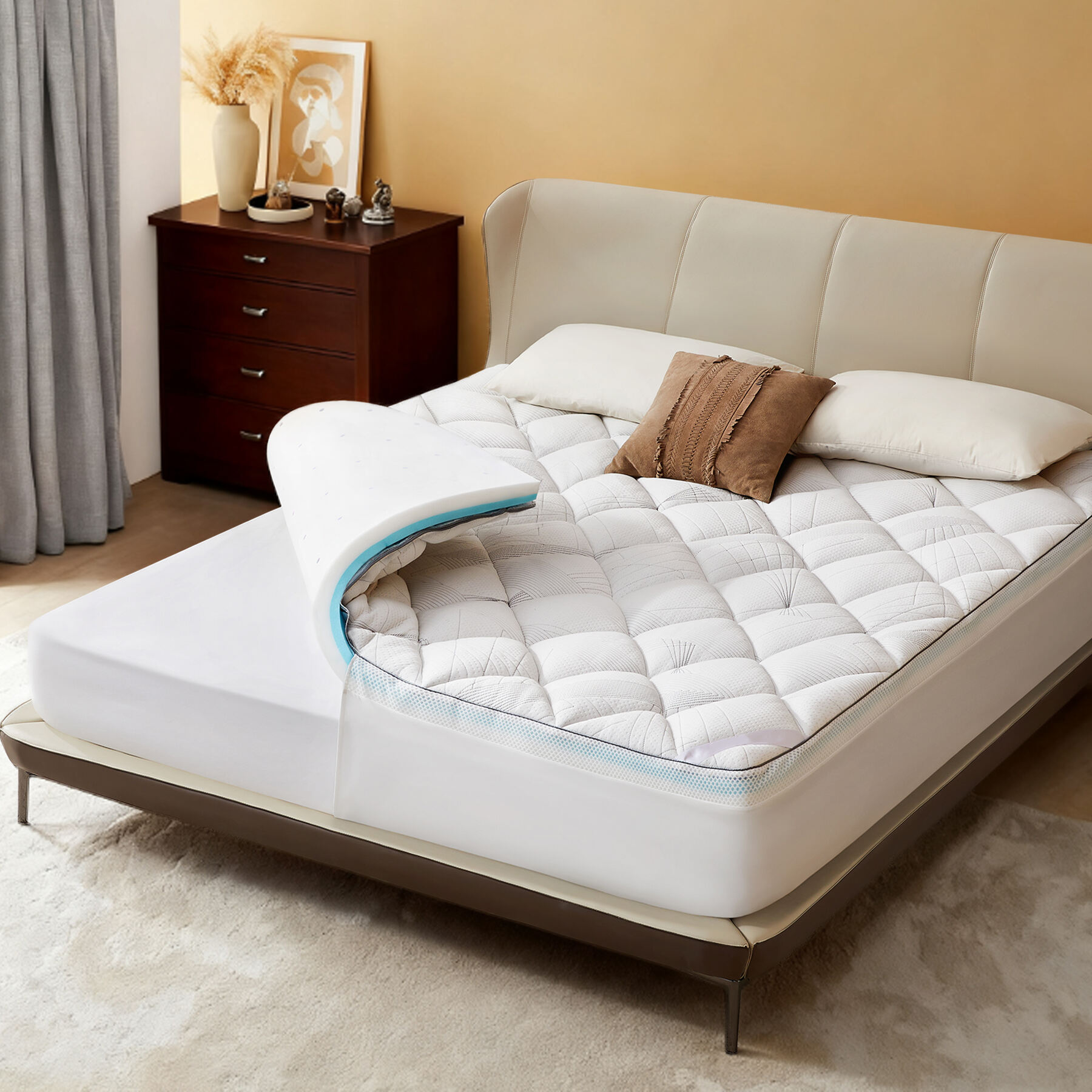
Hotel mattress toppers around 2 to 3 inches thick strike the right balance between comfort and functionality. They offer good pressure relief without making the bed layers bunch up or separate. This thickness helps keep spines aligned whether someone sleeps on their back, side, or stomach, and stops the annoying sinking feeling that happens with thicker pads. When it comes to density, medium firm is usually best measured in those PCF numbers. Softer materials just don't hold up when used by hundreds of guests week after week. And let's not forget about sheets fitting properly over the topper. Getting this right saves hotels time and money during cleaning, which matters a lot for busy housekeeping staff who need things to run smoothly day in and day out.
Durability Benchmarks: High-Density Foam (≥4 PCF), Dunlop Latex, and Premium Wool Specifications
Materials used in commercial settings need to be far tougher than what's typically found in homes. High density foam rated at 4 pounds per cubic foot or better can handle around five times as many compressions before showing wear compared to cheaper foams on the market. Dunlop latex stands out for its bounce back ability too, keeping about 95 percent of its supportive qualities even after going through roughly 50 thousand test cycles. When looking at natural materials, top quality wool mattress toppers should hit at least 1.8 pounds per square foot density and carry that OEKO TEX certification mark which means they resist allergens pretty well. These specs matter because they stop things from sagging over time while still regulating temperature effectively. The bottom line? Better materials last longer, cutting down on replacement expenses somewhere in the neighborhood of 60 percent within just three years according to industry data.