 EN
EN

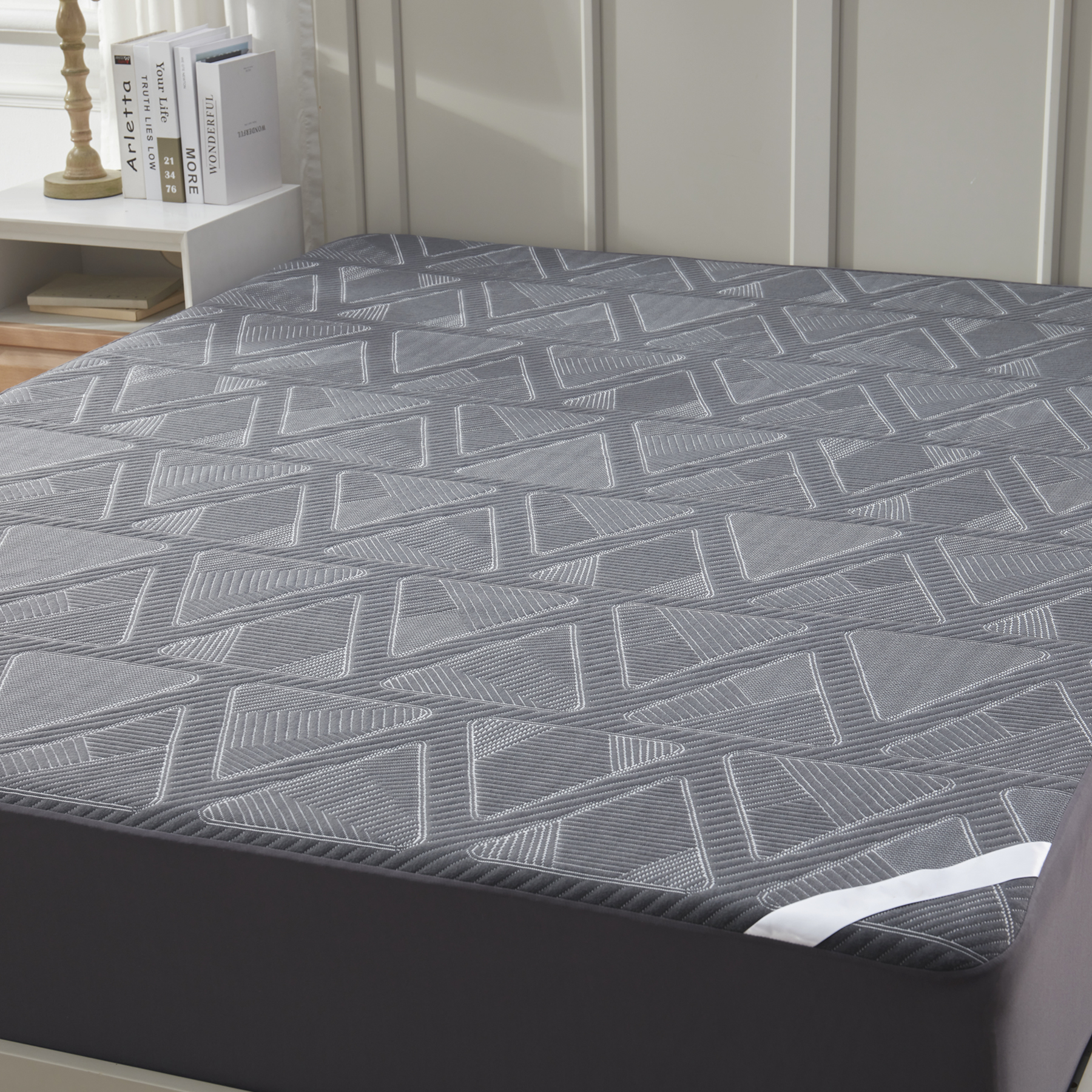
Liquid and Stain Protection: Safeguarding Assets in High-Turnover Environments
How Waterproof Barriers Extend Mattress Lifespan and Cut Replacement Costs
Waterproof mattress protectors act as shields that stop liquids from getting into the actual mattress, keeping it intact longer and stopping mold and bacteria from growing. According to industry standards, using these kinds of protectors can actually make mattresses last 3 to 5 extra years, which is really important for places like hotels where people come and go constantly and spills happen all the time. The best ones are made with polyurethane layers that fight off oils and bodily fluids better than regular covers. These special layers work at a molecular level to keep things breathable but still block out dirt and messes. Spending around $35 to $75 on one of these protectors typically pays for itself many times over since it saves hundreds when replacing old mattresses. And guess what? This same technology works wonders for kids' pillowcases too, giving parents peace of mind during those inevitable nighttime accidents.
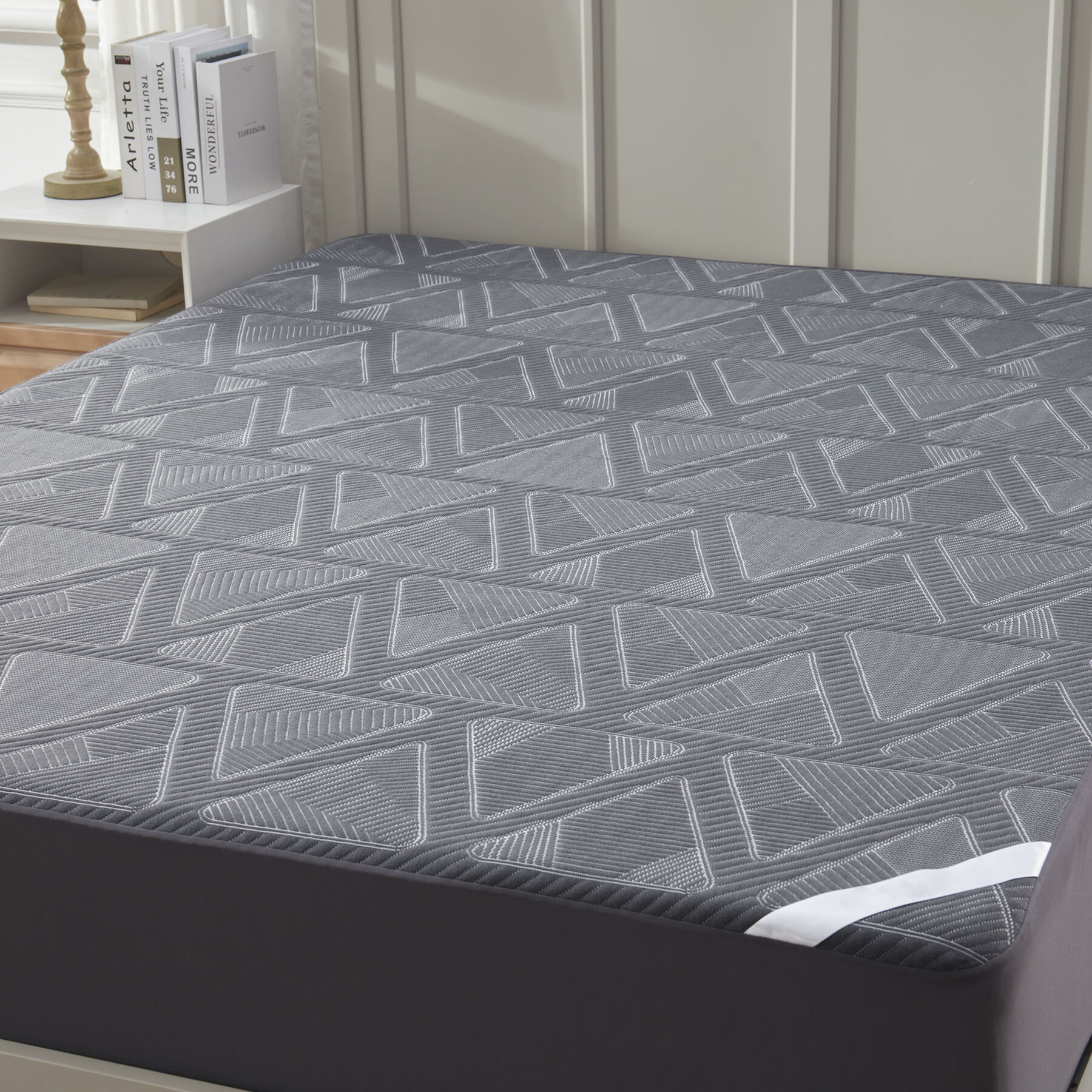
Real-World Impact: 35% Reduction in Mattress Replacements After Standardizing Protectors
In 2023, a big hotel company did an audit at 32 different properties and discovered something interesting about mattress maintenance. When they started using standardized ASTM certified waterproof barriers throughout their operations, they saw a 35% drop in how often mattresses needed replacing before their time. The average lifespan of these mattresses jumped from around 5 years and 2 months all the way to nearly 7 years and 1 month. That translated into roughly $87k saved every year across the entire property portfolio. Getting rid of contaminated mattresses became much less frequent too, down by about 81%. The waterproof protectors kept those nasty spills contained instead of forcing staff to throw away whole mattresses after accidents. Housekeeping teams noticed faster room turnover times as well since there was less cleaning required between guests. For hotels located near coastlines especially, these findings are particularly valuable because high humidity levels can make mattress materials break down up to 40% faster than normal conditions would allow.
Allergen Control and Guest Hygiene: Supporting Health-Conscious Travelers
Clinical Validation: 92% Allergen Transfer Reduction with ASTM-F1670/F1671–Certified Protectors
More hotels and resorts are now using allergen barriers that meet ASTM-F1670/F1671 standards, which set the bar for keeping out those tiny pesky particles we can't see. Tests show these protective covers cut down on allergen transfer by around 92%, creating pretty much impenetrable barriers against things like dust mites, pet hair flakes, and pollen floating around. What makes them work so well? The material has pores smaller than 1 micron, which means most allergens just can't get through while still letting air pass freely. For families with kids suffering from allergies, putting these covers under regular pillowcases creates complete protection across all bedding layers. Labs run independent checks too, doing what they call viral filtration efficiency tests to confirm these products actually deliver the kind of protection found in hospital settings.
Guest Experience Link: Fewer Allergy Complaints, Longer Stays, and Higher Satisfaction Scores
Hotels that install certified allergen barriers tend to see real improvements in how guests rate their stay. The industry has noticed something interesting: after putting these barriers in place, there's been around a 40% drop in complaints related to allergies. What's even better? Allergy sufferers are staying an extra night or so on average when they know their room is protected. Looking at post-stay feedback, rooms equipped with proper protection systems get about 15-17% higher marks for cleanliness. And every complaint that gets avoided means saving roughly $80 in compensation money, plus keeping those guests coming back. Housekeeping staff who receive special training handle things differently too. They might clean pillow covers first before adding kids' pillowcases, which helps build that sense of trust and cleanliness guests look for.
Cost Efficiency and ROI: Quantifying Long-Term Savings for Hotel Operators
ROI Breakdown: $4.20 Protector vs. $320–$650 Mattress Replacement
Hotels see great returns when they start using mattress protectors. A good quality protector runs around four bucks, but getting rid of a worn out mattress can cost anywhere between three hundred twenty and six hundred fifty dollars. That means each protected mattress basically saves almost all of what would otherwise be spent on replacements. For a hotel with two hundred rooms, spending eight hundred forty dollars upfront on protectors makes a lot more sense than facing replacement bills ranging from sixty-four thousand to over one hundred thirty thousand dollars down the road. According to industry standards set in 2024, hotels that consistently use these protectors tend to replace their mattresses every two to three years longer than those without them, which keeps money in the bank instead of going towards new purchases. Most hotel managers take those saved dollars and put them back into things that really matter for guests experience like updating lobbies or investing in employee training programs. It shows just how small changes at the front lines can lead to big savings overall for hotel owners.
Operational Optimization: Accelerating Room Turnover and Reducing Housekeeping Burden
Time Savings at Scale: 3.2 Minutes Per Room Equals 47+ Hours Monthly in a 100-Room Property
When hotels streamline their bedding procedures, they actually cut down on those annoying housekeeping delays that plague busy properties. The protective covers really help out since they stop all that tedious stain cleaning stuff which takes so much time. We're talking about saving around 3 minutes and 12 seconds for each room they turn over. For a place with 100 rooms, that adds up to roughly 47 hours saved every month, which is basically what one person works in almost two weeks straight. All that extra time means staff can focus on deeper cleaning jobs or maybe even spend more attention on guest service details. Rooms get ready quicker too, so there's more flexibility when someone wants to book last minute, and the front desk doesn't have to deal with such chaos during rush hour check-ins. Having standard systems makes things easier overall. Just think about always using those kid sized pillowcases and having proper protectors in place. This simplifies how linens are handled day to day, cuts down on training new people, and reduces mistakes from staff who come and go. Hotels that have gone through with these changes see their afternoon maintenance cycles speed up by about 22%, according to the Hospitality Benchmarking Consortium report from 2024. So yeah, it turns out good operations start right there at the bed itself.
Table of Contents
- Liquid and Stain Protection: Safeguarding Assets in High-Turnover Environments
- Allergen Control and Guest Hygiene: Supporting Health-Conscious Travelers
- Cost Efficiency and ROI: Quantifying Long-Term Savings for Hotel Operators
- Operational Optimization: Accelerating Room Turnover and Reducing Housekeeping Burden