+86 15957161288
[email protected]
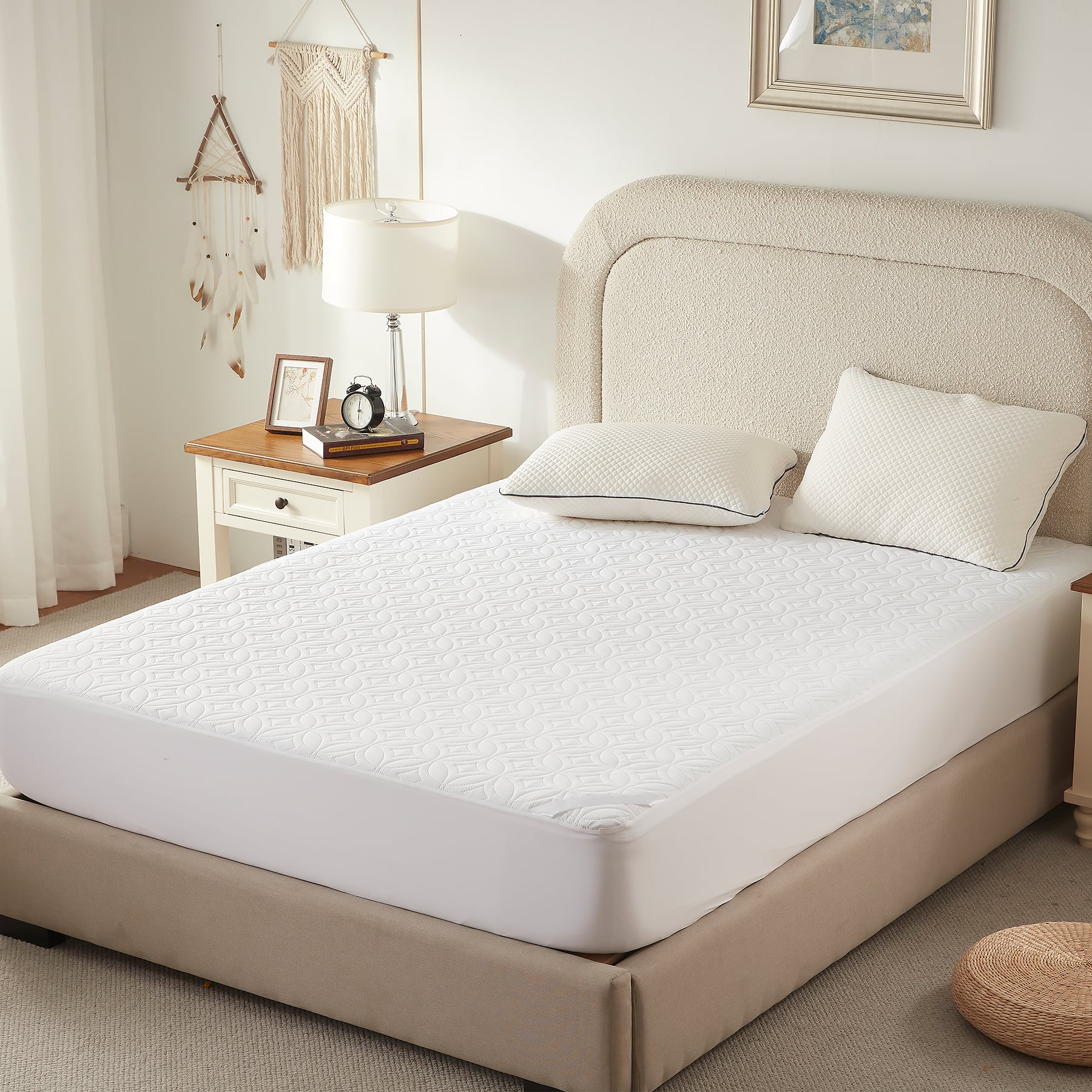
The material used for pillowcases plays a surprisingly important role in sleep quality, serving as our frontline barrier against all sorts of nasties like allergens, bacteria, and things that irritate the skin. Fabrics made from nature stuff such as organic cotton, bamboo viscose, and real silk have these built-in allergy fighting qualities. Research published in Sleep Health Journal back in 2023 showed these natural materials cut down on dust mites by about 90% when compared to regular synthetic fabrics. These natural options breathe better which stops microbes from growing too much, plus they manage moisture just right so skin stays at a healthy pH level throughout the night. What's more, the smooth surface of these materials doesn't create tiny tears on the face during sleep and keeps the head and neck properly aligned. This combination makes for better rest and actually helps protect skin health over time.
Keeping our body temperature stable throughout the night is really important for good sleep quality, and what we put on our pillows makes a difference too. Fabrics that let air through, such as those made from bamboo viscose, create better conditions around the head area. These materials help sweat evaporate faster and keep excess heat from building up especially when we're going through those REM stages of sleep. Research published in Sleep Medicine Reviews back in 2022 found people woke up less often during the night when using these breathable fabrics compared to regular cotton or synthetic options. The right pillow stays cool enough to support natural melatonin production, which helps us stay asleep longer. On the flip side, plastic-like materials tend to trap heat instead of letting it escape. Pillow surfaces can get warmer by about five degrees Celsius, making it harder to maintain comfortable sleeping conditions and interrupting deeper stages of rest.
Recent controlled sleep trials evaluated three natural fabrics across key physiological metrics:
| Attribute | Cotton | Silk | Bamboo |
|---|---|---|---|
| Temperature swing | Moderate | Low | Minimal |
| Moisture wicking | 40% absorption | 15% absorption | 60% absorption |
| Allergen barrier | Medium | High | High |
| Friction coefficient | 0.45 μ | 0.25 μ | 0.38 μ |
When it comes to staying cool, bamboo really stands out compared to other fabrics. Studies show it retains about 30 percent less heat than regular cotton does, which makes a big difference on hot days. Silk is also worth mentioning because its super smooth texture means less tugging on hair strands and gentler contact against faces. Both bamboo and silk beat out synthetics when looking at how well they resist allergens and let air flow through them. What sets bamboo apart though is its ability to soak up moisture while still fighting off microbes thanks to its special fiber makeup. This combination works wonders for people with sensitive skin issues or those concerned about breathing problems from stuffy materials.
What makes bedding truly hypoallergenic has less to do with what companies claim and more with actual fiber makeup and how tight those fibers are woven together. Natural materials like organic cotton, bamboo rayon derived from wood pulp, and even silk form a sort of shield against common allergens such as dust mites, mold spores, and pet hair because their fibers pack closely together and have smoother surfaces. People who sleep on these materials report about 30 percent fewer allergy flare ups at night, based on research published in the Journal of Allergy and Clinical Immunology last year. Regular pillowcases tend to hold onto moisture and collect tiny particles over time, creating damp spots where allergens love to grow. But breathable fabrics let air circulate constantly, which breaks up those little wet areas where bad stuff thrives. For anyone dealing with asthma or ongoing nose issues, this means better quality air while sleeping and noticeably less irritation in the morning.
Our pillowcases start collecting sweat, oils from our skin, dead skin bits, and all sorts of stuff from the air around us pretty quickly actually. Studies found that within about two days, there can be over a million bacteria on every square inch of fabric, according to research published in Environmental Microbiology back in 2022. All these microbes get transferred onto our faces during sleep, which leads to blocked pores and often causes redness or irritation issues for many people. Hypoallergenic options help reduce this problem because they act as barriers against these unwanted guests. But they do more than just block stuff out too. They have special materials that make it harder for bacteria to stick around and multiply overnight.
Dermatologists report a 45% reduction in contact dermatitis flare-ups among eczema patients using such fabrics consistently—provided they're laundered every 3–4 days to maintain efficacy.
The smooth surface of silk with its low coefficient of friction around 0.25 makes it much gentler on hair during those long nights of tossing and turning. Studies have shown that people who switch from regular cotton pillowcases to silk ones experience about 43% less hair breakage while they sleep according to research published in the International Journal of Trichology back in 2021. The cuticles stay intact too, which means less frizz in the morning. Cotton tends to soak up all those precious scalp oils leaving hair feeling dry and dull. Silk works differently though it holds onto those natural oils instead, giving hair that healthy shine without needing so many heavy conditioners and styling gels.
Bamboo viscose can soak up about 60% more moisture compared to regular cotton, yet still keeps air flowing through it. This means no more that annoying damp feeling against the skin which makes things worse for people with sensitive skin. Tencel or lyocell fabric is another winner here. Made using a green process where chemicals get reused, these fibers have tiny structures that actually adjust how much moisture they hold depending on what our skin needs at any given moment. Tests reveal something interesting too bamboo fabric manages to keep around 15% extra moisture in skin during mornings compared to cotton alternatives. The real benefit? Skin stays better hydrated throughout the night, helping protect against dryness and those little wrinkles that tend to show up after sleeping.
Looking at thread count as the main factor for better sleep quality just doesn't cut it and can actually be pretty misleading. Fabrics labeled with ultra high thread counts, say around 1000TC, usually contain multiple layers of yarn mixed with polyester which makes them less breathable. Skin doctors have noticed something interesting about these tight weaves they tend to hold onto heat and sweat, making perfect breeding grounds for bacteria and clogged pores. This problem gets worse for people with sensitive skin, affecting about two thirds of cases according to recent studies from the American Academy of Dermatology meeting last year. On the flip side, natural materials such as bamboo, silk or organic cotton work wonders for comfort and protecting our skin even when their thread count isn't super high. These fabrics focus more on how well the fibers themselves perform, how open the weave is, and whether they play nicely with our skin instead of chasing those random numbers on packaging labels.
 Hot News
2025-09-04
2025-09-02
2025-09-01
2025-07-08
2025-06-10
2025-12-25
Hangzhou Musen specializes in premium waterproof mattress protectors, toppers, and bedding. OEM/ODM for hotels, Amazon sellers, retailers. 10K+ units daily. ISO-certified quality. Contact us today.
No. 347 Shanlian, Suoqian Town Hangzhou Zhejiang China
Copyright © 2025 by Hangzhou Musen Import And Export Co., Ltd. Privacy Policy
 EN
EN