+86 15957161288
[email protected]
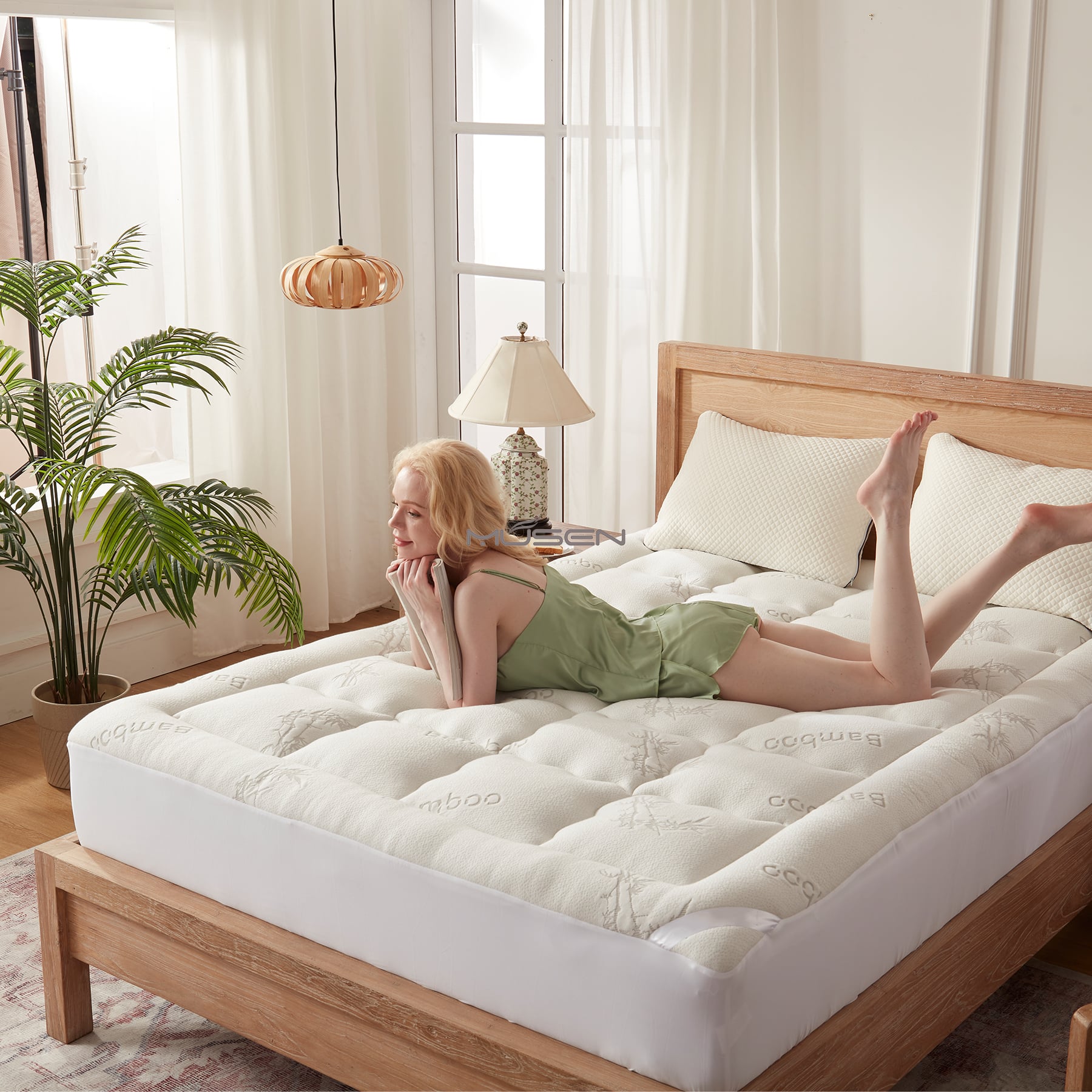
What makes bamboo fabric so great for people with allergies is its unique molecular makeup that naturally blocks out common irritants without needing any chemicals added. Cotton tends to trap dust mites pretty easily, but bamboo actually has something special going on in its fibers known as bamboo kun. These natural substances seem to stop germs and bacteria better than most regular fabrics do according to some tests done by Gokotta Lifestyle. Plus, the way bamboo fabric is woven together forms a tighter surface that keeps allergens from getting through, meaning folks don't have to wash their bedding or clothes as often as they would with other materials.
Bamboo pillows can really cut down on stuff that gets stuck in our airways during the night, helping folks avoid those annoying congestion issues and wheezing problems. What makes them work so well? Well, bamboo is naturally breathable stuff, which means it keeps things from getting too humid inside where mold likes to grow. And we all know mold isn't good news for anyone dealing with asthma or allergies. People who switch over to bamboo bedding tend to notice their allergy symptoms aren't quite as bad anymore. When looking at regular synthetic options, bamboo stands out because it wicks away moisture instead of trapping it. This helps keep everything dry enough that dust mites don't find it such an inviting place to hang out either.
People with sensitive skin often find bamboo fabrics helpful because they naturally resist bacteria growth. Research from South Shore Fine Linens shows that bamboo has a balanced pH level on its surface which cuts down on friction and irritation. Plus, it doesn't let microbes multiply as easily. What makes bamboo so good is that it contains no chemicals and manages moisture really well. These properties together help keep skin dry, which tackles two big problems that can cause dermatitis flares and acne outbreaks. For those struggling with skin issues, this combination of features makes bamboo bedding and clothing particularly beneficial.
Bamboo pillows are pretty good when it comes to keeping things cool during the night. The way these pillows work is actually pretty interesting - there are tiny little spaces between the bamboo fibers that act kind of like built-in vents. According to SleepGram research from last year, this design helps get rid of body heat about 40 percent better than regular old polyester pillows. And don't forget about sweat! Those same hollow fibers pull moisture away from our skin around three to four times quicker than cotton does. So we stay drier throughout the night without all that uncomfortable dampness building up that just makes sleeping harder.
Research from textile engineers shows bamboo’s thermoregulation works through adaptive cellular responses—fibers tighten in cool conditions to retain warmth and expand in heat to enhance airflow. This dual-action system maintains a stable 72–75°F microclimate around the head and neck throughout the night.
The moisture-wicking properties of bamboo provide dynamic cooling during REM sleep phases when body temperature naturally rises. Clinical trials demonstrate bamboo pillow users experience:
This cooling synergy is particularly valuable for peri-menopausal women and anyone living in humid climates, where traditional pillows often trap 2–3 times more heat against the skin.
While breathable cotton pillows offer basic ventilation, they lack bamboo’s temperature-responsive design:
| Feature | Bamboo Pillow | Cotton Pillow |
|---|---|---|
| Heat Dissipation Rate | 0.8°F/minute | 0.3°F/minute |
| Moisture Retention | <0.5% after 8 hours | 4–6% after 8 hours |
| Thermal Recovery Time | 2–3 minutes after compression | 8–10 minutes after compression |
Cotton’s limited pore size and fiber density cause gradual heat accumulation, particularly problematic for side sleepers whose facial contact with pillows increases localized temperature by 7–9°F. Bamboo’s open-cell structure prevents this "heat sink" effect through continuous air circulation.
Bamboo pillows stay cool thanks to how they're designed at the fiber level for better airflow. Regular pillows tend to hold onto heat, but bamboo has this open cell structure that lets air move around more freely. Tests show it can actually lower surface temps by about 2 or 3 degrees Fahrenheit compared to those cotton pillows we all know so well. The cooling effect makes a real difference for sleep quality too. A recent study from last year found that nearly 8 out of 10 people who switched to bamboo bedding woke up less during the night. That matters because staying cool helps maintain those important REM cycles throughout the night.
The cooling effect works synergistically with bamboo’s natural flexibility—fibers compress under head weight to minimize pressure points while maintaining breathable channels. This combination enables sustained thermal comfort from evening through morning peak body-heat periods (10 PM – 2 AM).
Bamboo’s capillary-action fibers wick 40% more moisture than cotton, creating a dry sleep environment that prevents the clamminess linked to 63% of sleep interruptions (Textile Performance Institute, 2022). The moisture-wicking process occurs in three stages:
This system maintains optimal humidity levels (30–50% RH) in the pillow’s microclimate, reducing microbial growth risks while keeping the surface comfortably dry. Sleepers experience 22% longer deep sleep phases compared to synthetic alternatives, according to polysomnographic data from independent sleep labs.
Bamboo pillows come with removable covers that can be tossed into the washing machine, making it much easier to keep allergens under control. Something most people consider pretty important when trying to get good rest. Studies suggest that washing these covers once a week around 30 degrees Celsius gets rid of nearly all those pesky dust mites and other microbes without damaging the fabric's ability to fight bacteria growth. Cotton pillows tend to soak up skin oils and need thorough cleanings more often, but bamboo fibers just don't hold onto particles the same way. People who suffer from dust allergies report fewer sneezing episodes too, with one recent study from last year showing a reduction of about three quarters in allergic reactions for those using these special pillows.
To optimize performance:
 Hot News
2025-09-04
2025-09-02
2025-09-01
2025-07-08
2025-06-10
2025-12-25
Hangzhou Musen specializes in premium waterproof mattress protectors, toppers, and bedding. OEM/ODM for hotels, Amazon sellers, retailers. 10K+ units daily. ISO-certified quality. Contact us today.
No. 347 Shanlian, Suoqian Town Hangzhou Zhejiang China
Copyright © 2025 by Hangzhou Musen Import And Export Co., Ltd. Privacy Policy
 EN
EN