+86 15957161288
[email protected]
A quilt's performance hinges on three fundamental elements: its structural layers, insulating fill, and outer fabrics. Whether selecting a single quilt for personal use or larger sizes, these components collectively determine warmth, durability, and comfort across seasons.
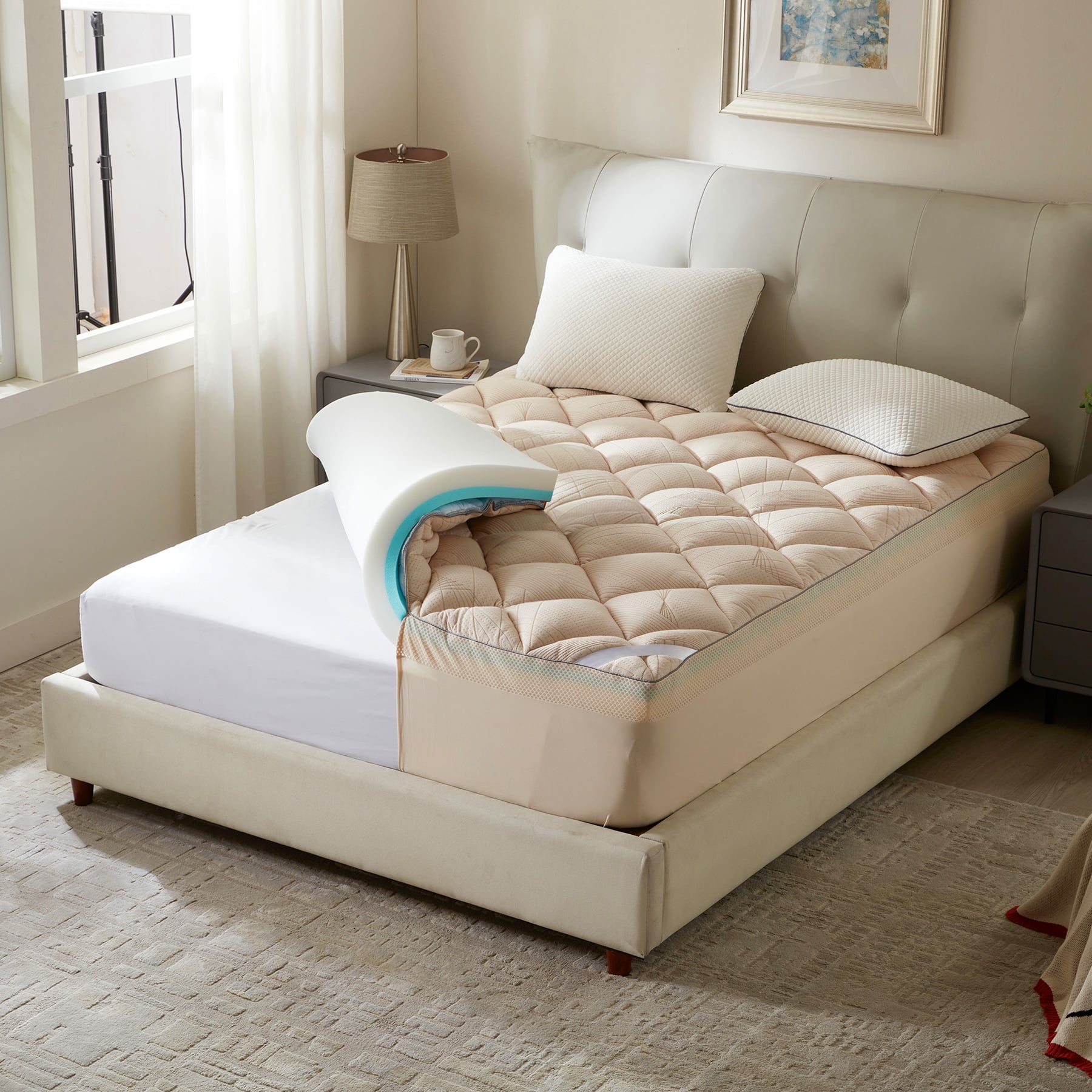
Unlike standard blankets, quilts feature three layers: a decorative top fabric, insulating fill, and backing material. This sandwich construction provides lightweight warmth while allowing airflow. Quilts typically weigh 25-40% less than comforters of equivalent size, making them ideal for layered bedding systems.
When it comes to staying warm, natural materials really shine. Goose down with that 800+ fill power rating and the super rare eiderdown from Arctic geese trap about three times more air per ounce compared to regular polyester fibers, recent 2024 textile research shows. Merino wool is another winner for folks who sweat easily during sleep or outdoor activities. The stuff can soak up around 30% of its own weight in moisture while still feeling dry to the touch. People with allergies might want to check out synthetic options though. Brands like PrimaLoft make hypoallergenic alternatives that actually feel similar to real down when compressed, plus they survive multiple machine wash cycles without losing their fluffiness. These synthetics give folks who can't tolerate natural materials a good working substitute without compromising on warmth or comfort levels.
| Fabric | Best For | Breathability | Durability |
|---|---|---|---|
| Cotton | Year-round use | High | 300+ washes |
| Flannel | Winter insulation | Moderate | 150–200 washes |
| Silk | Luxury lightweight | Very high | Delicate |
| Poly-cotton | Budget durability | Medium | 400+ washes |
Data sourced from 2024 Textile Performance Report
Most people still go for cotton when picking out quilt covers because it's breathable and feels nice against the skin. Recent surveys show around 64 percent of folks put cotton right at the top of their list for bedding materials. Then there are those blended synthetic fabrics that don't wrinkle as much, which makes sense for anyone who washes their bedding regularly without wanting to spend hours ironing afterward. Silk isn't exactly mainstream stuff these days (only about 7% of the market), but what it lacks in popularity it makes up for in how well it regulates body temperature throughout the night. That's why some folks with sensitive skin or temperature issues reach for silk even though it needs special care and costs quite a bit more than other options on the shelf.
Quilt stitching patterns directly influence how insulation distributes heat. Boxed designs use stitched pockets to lock fill in place, preventing cold spots by maintaining consistent loft. Channelled quilts employ vertical seams that allow slight fill movement, enhancing breathability—ideal for warmer climates or active sleepers.
| Feature | Boxed Quilts | Channelled Quilts |
|---|---|---|
| Warmth Retention | High, even distribution | Moderate, airflow-focused |
| Best For | Cold climates, static use | Warm climates, active sleepers |
| Durability | 8–10 years (proper care) | 6–8 years (regular airing) |
The compartmentalized structure of boxed quilts ensures insulation stays evenly dispersed, maximizing thermal efficiency. This design traps heat effectively, making it optimal for winter use. Recent textile engineering insights show that boxed stitching preserves up to 95% of a quilt’s original loft over five years, outperforming channelled alternatives.
Vertical seams allow insulation to shift with body movement, reducing stiffness. This adaptability benefits combination sleepers or those in fluctuating temperatures. Paired with wool or lightweight down, channelled quilts help prevent overheating during warmer months.
Tightly double-stitched seams in boxed quilts resist wear from repeated washing, while channelled versions require gentler handling to avoid seam stress. Industry tests indicate boxed quilts retain 15% more insulating capacity after 500 wash cycles compared to channelled models.
When it comes to how well a quilt performs, folks usually look at two main factors: GSM which stands for grams per square meter, and TOG or thermal overall grade. Winter weight quilts generally weigh around 400 to 600 grams per square meter because they need to trap more heat. Summer quilts tend to be lighter, somewhere between 200 and 300 grams so they don't feel too heavy on hot nights. The TOG rating works alongside these weights. For really cold weather, anything above 12 TOG will do the trick, but if it's warm outside, something with a rating between 3 and 4.5 makes much more sense. According to a recent sleep study done in 2023, about three quarters of people actually care quite a bit about getting the right GSM and TOG labels when picking out bedding for different seasons.
Goose down offers exceptional warmth-to-weight ratio, especially at 800+ fill power. Wool adds moisture-wicking capabilities, maintaining dryness during temperature shifts. One comparison showed wool outperformed synthetics by 22% in humidity control, making it a strong contender for cold, damp conditions.
For warm weather, breathable materials are essential. Organic cotton’s open weave promotes airflow, reducing heat buildup by up to 30% compared to polyester. Silk provides natural cooling properties, ideal for tropical settings. Bamboo-blend covers offer antimicrobial benefits, catering to allergy-prone individuals without compromising ventilation.
Hybrid all-season quilts often combine 300–400 GSM fill with removable layers for flexibility. However, 2023 consumer reports indicate 41% of users still prefer separate seasonal sets. In temperate zones, channel-stitched quilts made with climate-responsive fibers like eucalyptus offer balanced thermal regulation in a single layer.
Match your bed dimensions to standardized quilt sizes for optimal coverage:
According to the 2024 Bedding Fit Report, quilts that extend 4–6 inches beyond the mattress width improve heat retention significantly.
A 65" x 85" single quilt prevents pooling in compact spaces while fully covering twin beds. Its narrow profile simplifies storage and laundering—important considerations for urban renters, 63% of whom prioritized space-saving bedding in 2023 surveys.
Sleep scientists recommend dual single quilts to reduce conflicts over blanket tension and temperature. Studies show this setup reduces disputes by 57% (National Sleep Foundation 2023). Partners can pair different weights—one 300GSM summer quilt and one 500GSM winter version—while maintaining visual harmony through matching colors or patterns.
Natural fibers all need different kinds of attention when it comes to cleaning. Cotton is pretty straightforward stuff - just toss it in the washer on cold with some gentle soap works fine for most situations. Wool tells a different story though. Hand washing in warmish water is really important here because otherwise those beautiful wool fibers will felt together and ruin the fabric (Textile Care Association noted this back in 2023). And don't even get me started on silk! These delicate fabrics demand their own special treatment with pH balanced products to keep colors from running all over everything else in the wash. Want your quilts to last longer? Let them dry naturally instead of throwing them in the dryer. According to the latest Fabric Care Report from 2024, air drying can actually extend the life of these items by around 40% compared to machine drying methods.
High-quality down quilts are best professionally cleaned to preserve loft and insulation. Lower-fill-power synthetic-filled quilts (<500 FP) may tolerate gentle machine cycles, but frequent washing degrades thermal performance by 15–20% annually (Bedding Materials Lab 2023). Always inspect stitching before cleaning; compromised seams can lead to clumping.
Pre-wash new quilts in cold water using a gentle cycle and avoid high heat when drying (Textile Preservation Society 2023). This minimizes shrinkage, which is particularly critical for single quilts where even slight contraction affects fit and function.
 Hot News
2025-09-04
2025-09-02
2025-09-01
2025-07-08
2025-06-10
2025-12-25

Hangzhou Musen specializes in premium waterproof mattress protectors, toppers, and bedding. OEM/ODM for hotels, Amazon sellers, retailers. 10K+ units daily. ISO-certified quality. Contact us today.
No. 347 Shanlian, Suoqian Town Hangzhou Zhejiang China
Copyright © 2025 by Hangzhou Musen Import And Export Co., Ltd. Privacy Policy
 EN
EN