+86 15957161288
[email protected]
The temperature of the surrounding air really affects how well we sleep at night. Most grownups tend to do best when their bedroom stays somewhere between 60 and 67 degrees Fahrenheit according to research from Sleep Foundation back in 2023. Things get tricky when seasons change and temperatures drift outside that sweet spot, particularly those hot summer nights or freezing winter mornings. Our REM sleep drops about 30 percent under these conditions, plus people wake up more often throughout the night. Keeping our bodies comfortable while sleeping matters a lot if we want to stay asleep all night long without disturbances.
Natural fiber base layers such as cotton percale or linen form the backbone of bedding that adapts well to different climates. Compared to synthetic alternatives, these fabrics actually let about 40 percent more air circulate while still pulling sweat away from the skin. This helps keep things cool when summer gets sticky and prevents excessive drying out during those cold winter nights. What really matters is how they handle moisture levels without making people feel hot and stuffy, which explains why so many folks find themselves coming back to these basics time after time regardless of what season it happens to be.
Seasonal bedding needs vary significantly:
Matching materials to these demands ensures better thermal regulation and fewer disruptions.
| Season | Material | Primary Function |
|---|---|---|
| Summer | Bamboo/Linen | Enhanced airflow |
| Winter | Flannel/Down | Thermal insulation |
| Transitional | Cotton Percale | Moisture management |
This strategic pairing of materials supports year-round sleep quality by balancing breathability with targeted warmth, adapting to outdoor conditions without over-layering.
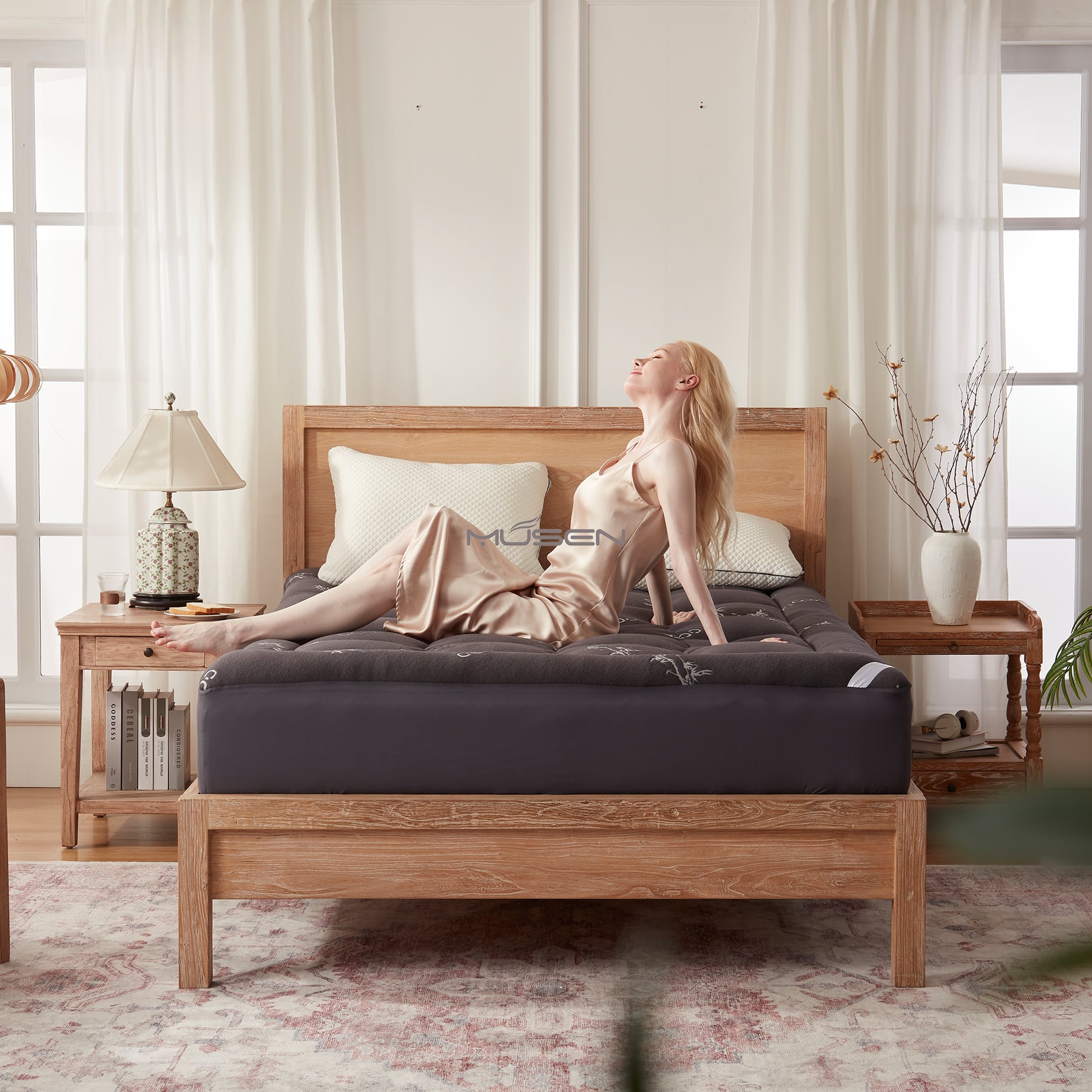
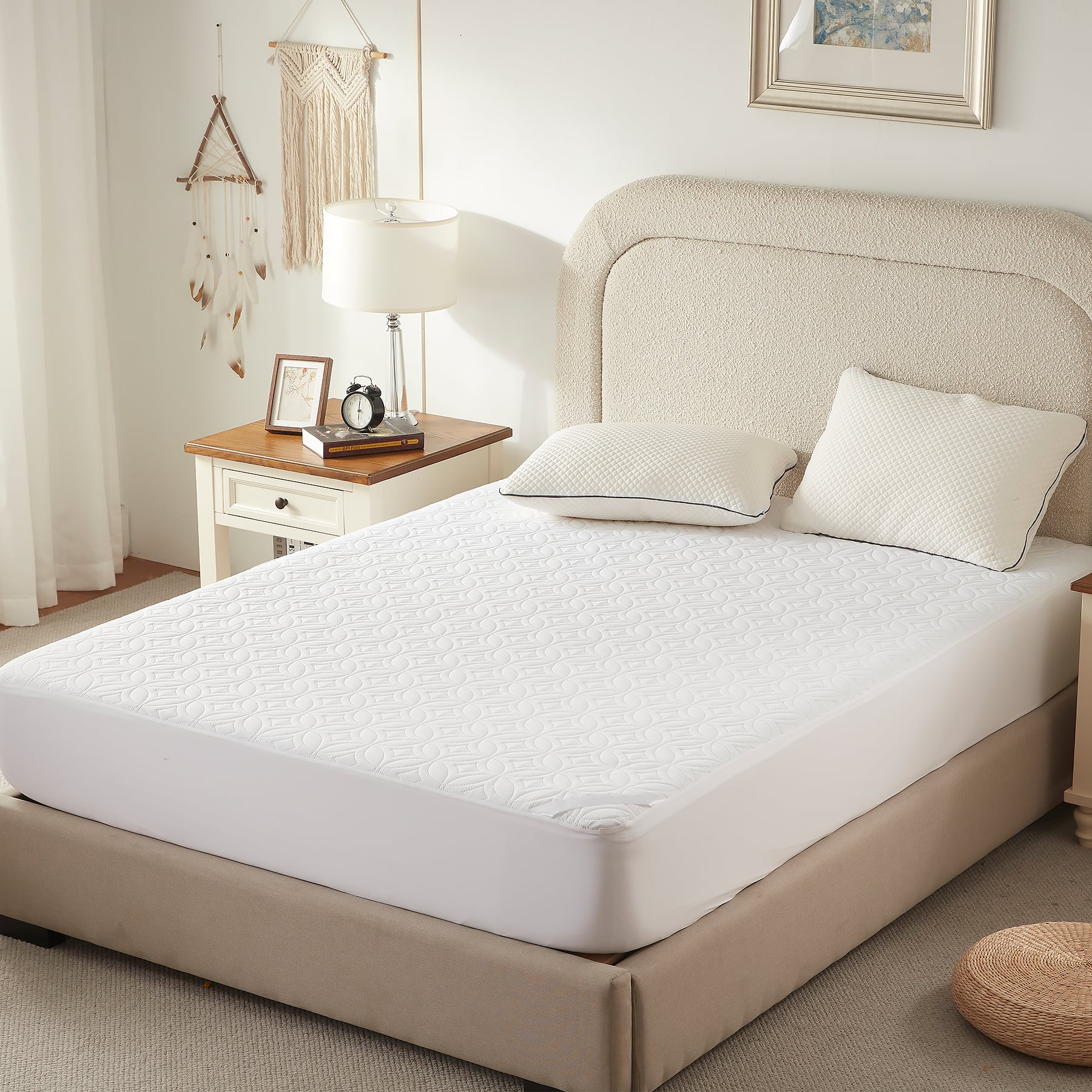
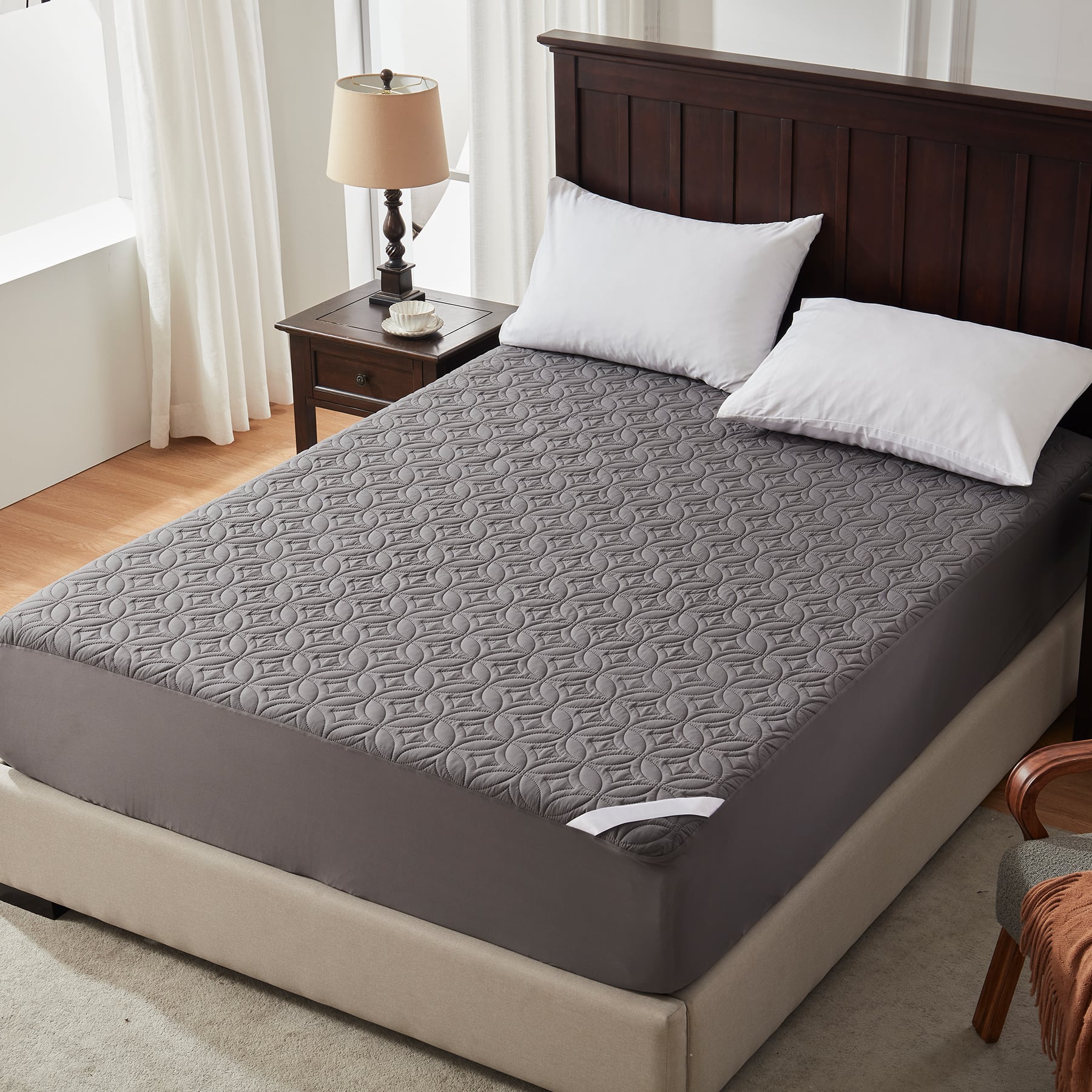
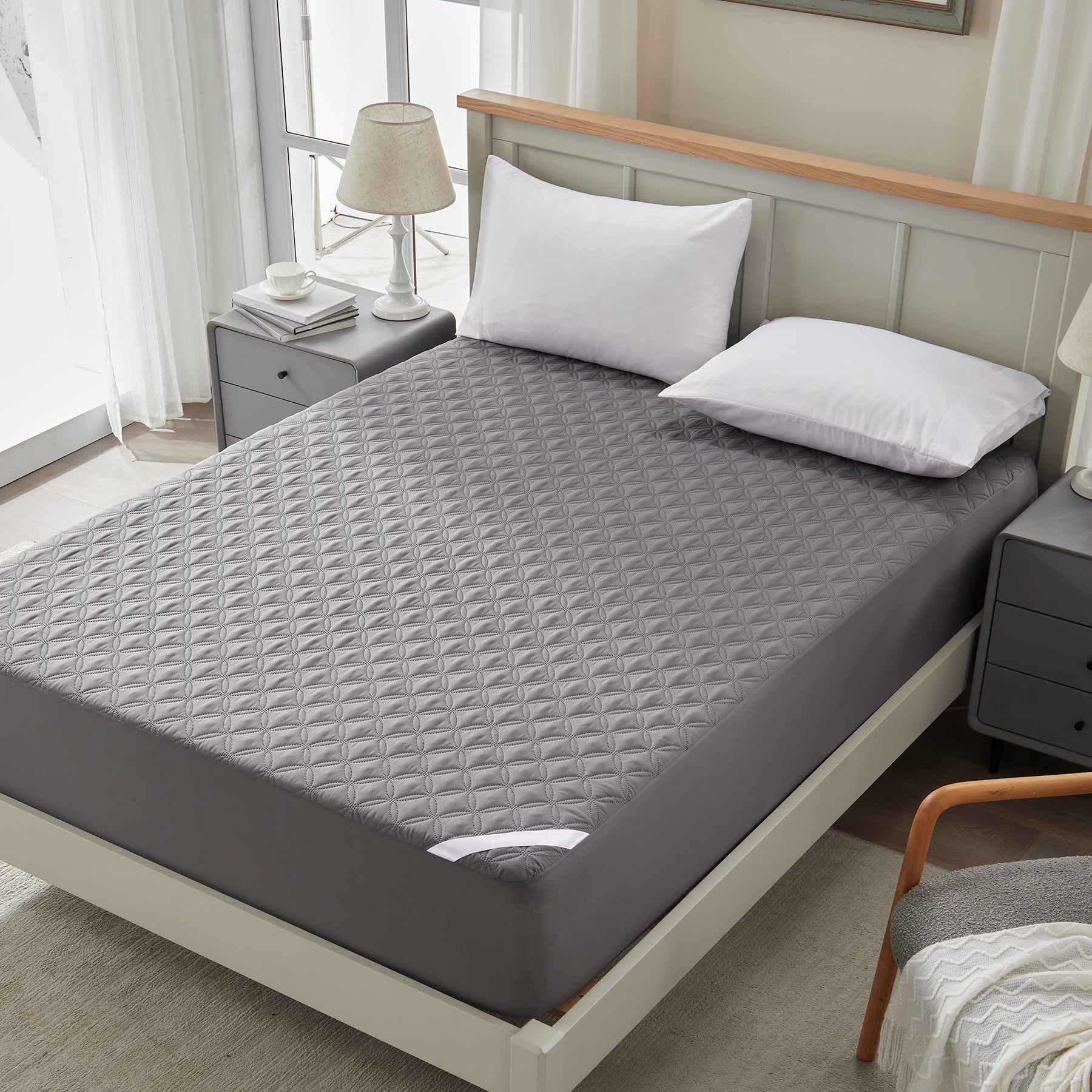
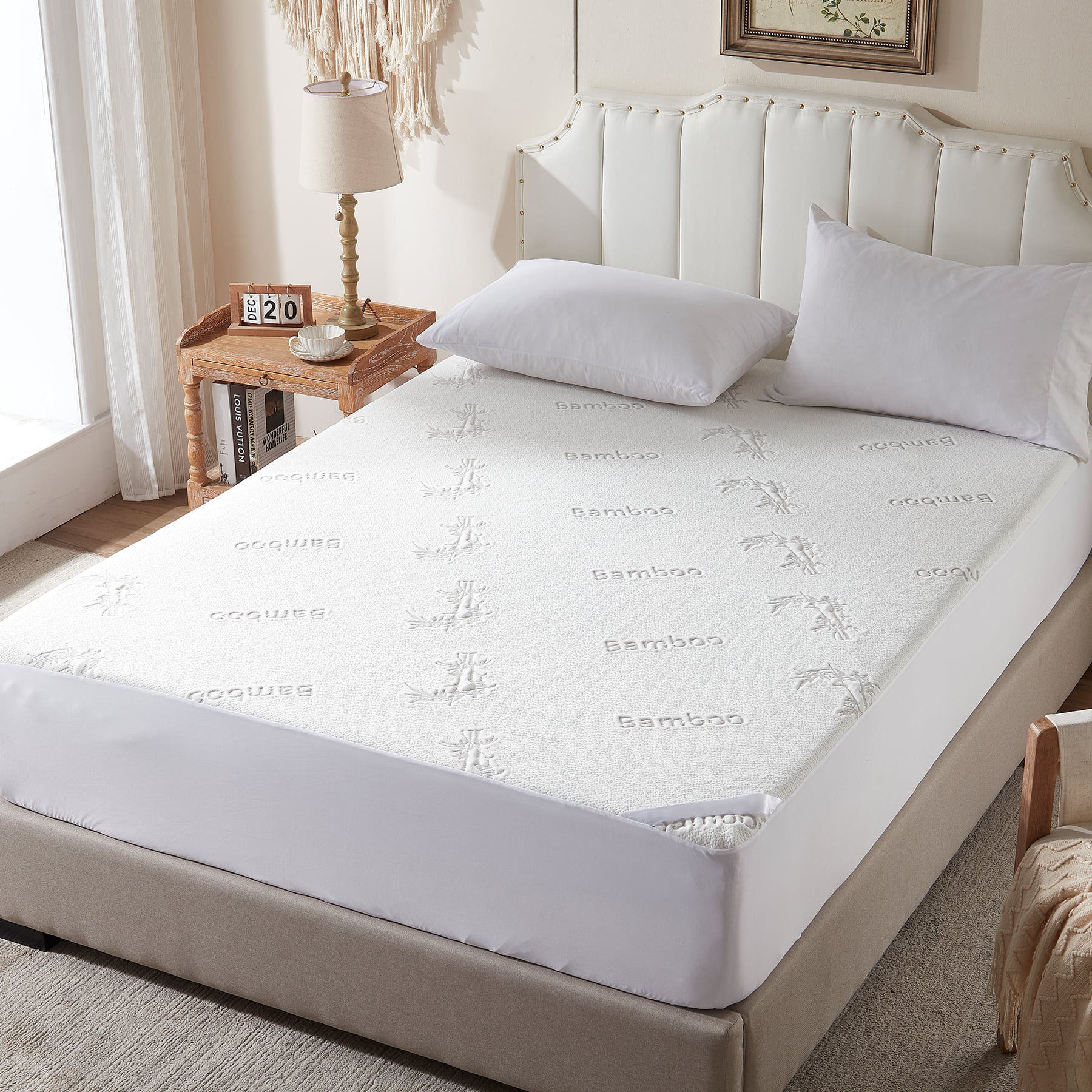
Temperature responsive mattress pads are probably the best starting point when it comes to staying comfortable throughout different seasons. According to a study from the Ponemon Institute back in 2023, around two thirds of people reported better temperature regulation when using pads made with wool or those special phase change materials. During hot weather months, look for pads with breathable open cell structures that let air move freely around the body. When winter rolls around though, insulated pads that wick away moisture become much more important since they help stop precious body heat from escaping into the mattress itself. Most folks find this approach works wonders for maintaining consistent comfort levels regardless of what's happening outside.
| Fabric | Best For | Key Benefit |
|---|---|---|
| Cotton Percale | Summer | 200+ thread count promotes airflow |
| Linen | Spring/Fall | Natural temperature modulation |
| Flannel | Winter | Brushed fibers trap body heat |
Rotate these seasonally: linen's moisture-wicking properties prevent clamminess during mild transitional nights (15°C–20°C), while flannel's 0.4 tog rating provides necessary warmth when temperatures drop below 10°C.
During hot summer nights, combining ventilated mattress pads with bamboo rayon sheets can make a real difference. Studies from Sleep Health Journal in 2024 found these materials actually lower skin temperature by about 1.5 degrees Celsius when compared to regular cotton bedding. When temperatures really spike outside, adding a good quality latex topper becomes worthwhile. The special open cell design lets air flow through freely, helping sweat evaporate faster without sacrificing the needed support for proper spinal alignment. Most people notice this combination keeps them feeling cooler throughout the night, especially those who tend to overheat easily during sleep cycles.
The changing seasons call for bedding that can keep up with temperature swings. Research from a sleep thermoregulation study back in 2022 showed something interesting people who used layered bedding instead of just one thick comforter woke up less often during the night, around 33% fewer times actually. For those wanting some flexibility, pairing a light wool quilt with a cotton sheet gives roughly 2 to 3 degrees Fahrenheit of extra warmth when needed, yet still lets air circulate properly. Most folks find it helpful to keep an extra blanket folded neatly at the bottom of their mattress so they don't have to get up in the middle of the night hunting for something warmer when temperatures dip unexpectedly.
Putting together a stack of light to medium weight blankets lets people adjust their warmth level how they want it. Start with something airy like a cotton throw blanket around 400 to 600 GSM, then throw in a fleece or microfiber blanket if things get chilly at night. The whole point of building layers this way is to prevent getting too hot, which happens all the time. According to some research from National Sleep Foundation back in 2023, about six out of ten adults wake up during the night because they're sweating from those heavy comforters that don't let them regulate temperature properly. Another trick worth trying? Mix up how the blankets lie on top of each other horizontally and vertically across the bed. This simple adjustment actually spreads out body heat better than just tossing everything in one pile.
The right fabric choices can make all the difference for mid layer comfort during sleep. According to research published in the Textile Research Journal back in 2022, bamboo viscose blends actually wick away sweat around 40 percent quicker than regular cotton does, which helps keep people from waking up soaked in damp sheets on hot nights. Silk blended throws work wonders too they adjust body temps pretty well, dropping skin temperature about 1.8 degrees Fahrenheit when it gets warm outside but still provide some extra warmth if temperatures dip at night. Combine these materials with good quality breathable undergarments and most folks find themselves tossing and turning far less often through the night. That's why so many combination sleepers who struggle with changing seasons tend to gravitate toward these kinds of fabrics for their bedding solutions throughout the entire year.
In summer, breathable top layers prevent heat retention. Lightweight duvets filled with bamboo fibers or aerated silk maintain surface temperatures 2–3°F cooler than polyester blends (2024 Sleep Comfort Report). Pair them with linen or percale duvet covers to boost airflow and resist humidity buildup, creating a cool, protective outer shell.
Heavy comforters really stand out when winter hits, especially those filled with high quality down which tends to keep us warmer compared to synthetic alternatives. Some tests suggest down can retain about 40 percent more heat, though results may vary depending on quality. When shopping around, look for comforters rated at least 600 fill power with those box stitched sections that prevent annoying cold patches from forming. Many people find adding a wool blanket underneath works wonders too. Research from sleep labs in colder regions indicates this combo boosts overall warmth by roughly 28%, making it worth considering for anyone struggling with staying warm through the night.
Modular duvet systems simplify seasonal transitions:
This system cuts bedding replacement costs by 65% and maintains comfort year-round, especially when using standardized sizes across components.
When the weather starts changing from summer to fall or vice versa, it's smart to go with cotton or linen sheets first since they let air circulate better. Throw a light weight quilt on top for when it gets just chilly enough to need something extra. Keep a wool or cashmere blanket handy near the bottom of the bed so anyone can grab it without getting up if the night gets colder. Don't forget to ditch those thick winter blankets though. They'll only make things stuffy. A good moisture wicking top sheet still works wonders though, helping regulate body temperature throughout the night without causing sweat issues.
Adopt a three-step cooling foundation:
Finish with a lightweight cotton coverlet that can be easily removed. Experts note this modular setup reduces nighttime overheating by up to 30% compared to traditional bedding.
Begin with flannel sheets (170+ GSM) and a thermal mattress topper. Layer a down-alternative blanket beneath a seasonally appropriate duvet:
Using adaptive top layers instead of one heavy comforter improves temperature regulation by 28% (Sleep Foundation 2023). Preheat the bed with an electric blanket 30 minutes before bedtime to create a zero-heat-loss environment for optimal winter sleep.
 Hot News
2025-09-04
2025-09-02
2025-09-01
2025-07-08
2025-06-10
2025-12-25

Hangzhou Musen specializes in premium waterproof mattress protectors, toppers, and bedding. OEM/ODM for hotels, Amazon sellers, retailers. 10K+ units daily. ISO-certified quality. Contact us today.
No. 347 Shanlian, Suoqian Town Hangzhou Zhejiang China
Copyright © 2025 by Hangzhou Musen Import And Export Co., Ltd. Privacy Policy
 EN
EN