 EN
EN

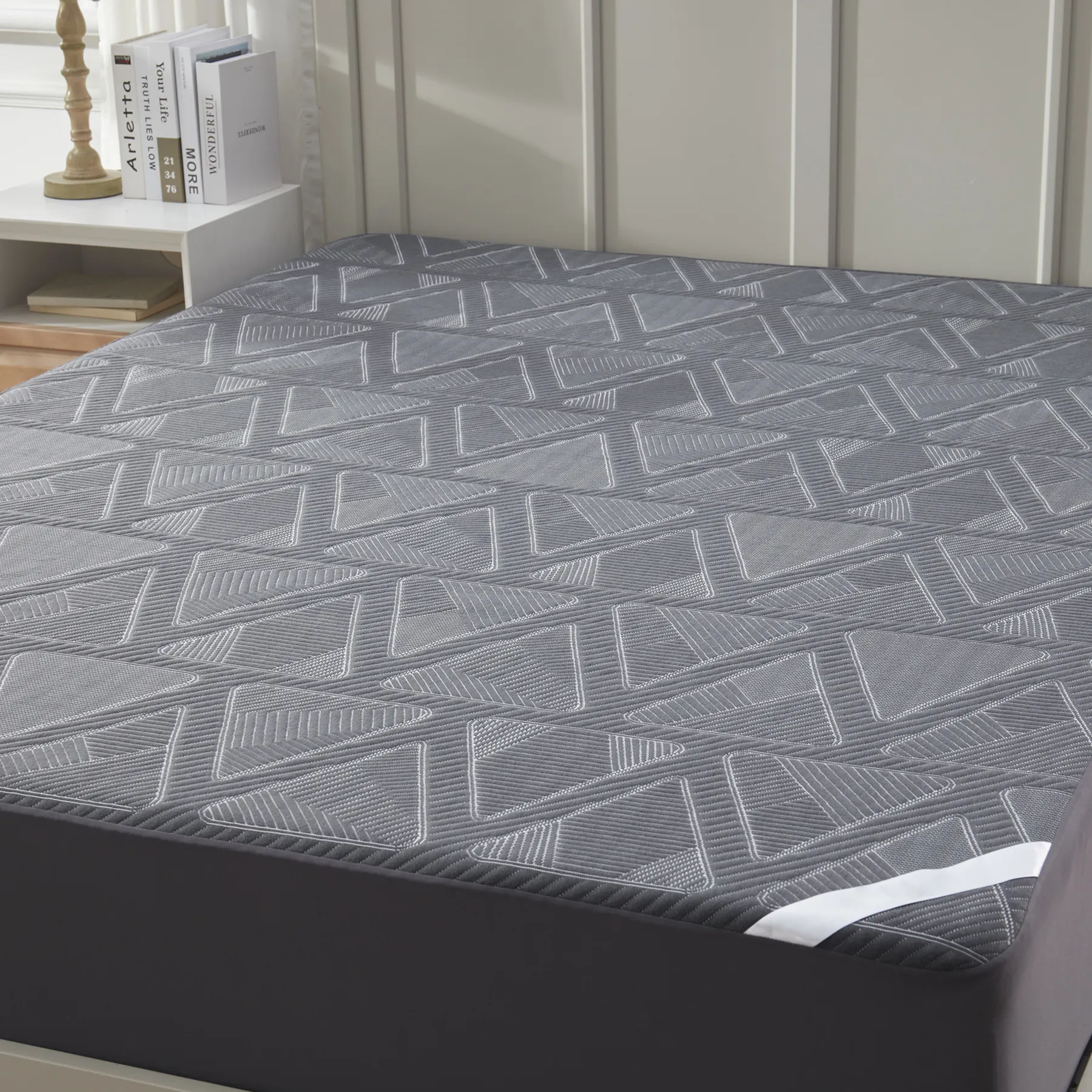
Breathable Cotton Quilt: Superior Airflow and Sleep Comfort
How Breathability and Moisture-Wicking Enhance Deep Sleep and Thermoregulation
Cotton quilts promote better sleep because they work in two ways to regulate temperature naturally. The fibers create tiny air pockets throughout the fabric, allowing air to circulate freely and stop us from getting too hot on warmer nights. Cotton also pulls sweat away from our skin pretty efficiently, around 0.3 milliliters per square centimeter each hour according to some tests, which means perspiration moves to the outer layer where it can evaporate instead of sitting against the skin. These combined effects keep our bodies comfortable in that sweet spot between 60 and 67 degrees Fahrenheit (about 15.5 to 19.5 Celsius) where most people sleep best. Studies suggest this actually cuts down on waking up during the night by roughly 30% compared with those synthetic blankets we often see. Polyester blends tend to trap heat rather than let it escape, whereas cotton adapts to changes in room temperature, providing relief when things get warm but still keeping us cozy enough when temperatures dip slightly later in the night.
Skin-Friendly Properties: Reduced Irritation and Support for Sensitive or Reactive Skin
Organic cotton offers real benefits for people whose skin tends to react badly or has been damaged somehow. Unlike synthetic fabrics, cotton's naturally smooth surface doesn't have those tiny plastic bits that rub against the skin and cause irritation. Tests show this actually reduces friction-related problems by about 40%. Cotton sits right around pH 6 to 7.5, which matches what our skin naturally produces. This helps prevent reactions that might lead to eczema outbreaks or psoriasis getting worse. An important point is that pure cotton quilts don't leave behind any chemicals from manufacturing processes, something many so-called moisture wicking synthetics definitely do. These leftover chemicals are a major reason why some folks get rashes when they sleep on certain bedding materials. Plus, the way cotton breathes keeps things dry underneath, holding humidity below 55% at the skin level. This makes it harder for bacteria to grow and creates a better environment overall for healthy skin.
Hypoallergenic Advantages for Allergy-Prone and Atopic Individuals
People suffering from allergies or skin sensitivities often find relief when they switch to comforters made from natural fibers. These materials naturally stand up against dust mites, which are a major trigger for allergy symptoms, and also help keep mold at bay because they manage moisture so well. Most folks report waking up less during the night when sleeping on these kinds of comforters. According to research from Sleep Health Foundation, those with allergies who use natural fiber bedding tend to wake up about 37% less frequently throughout the night. Cotton quilts that haven't been treated with chemicals work especially well for people with sensitive skin since they don't cause irritation. Wool has another benefit too—its unique crimped structure traps air and seems to reduce histamine reactions, helping create longer periods of uninterrupted sleep overall.
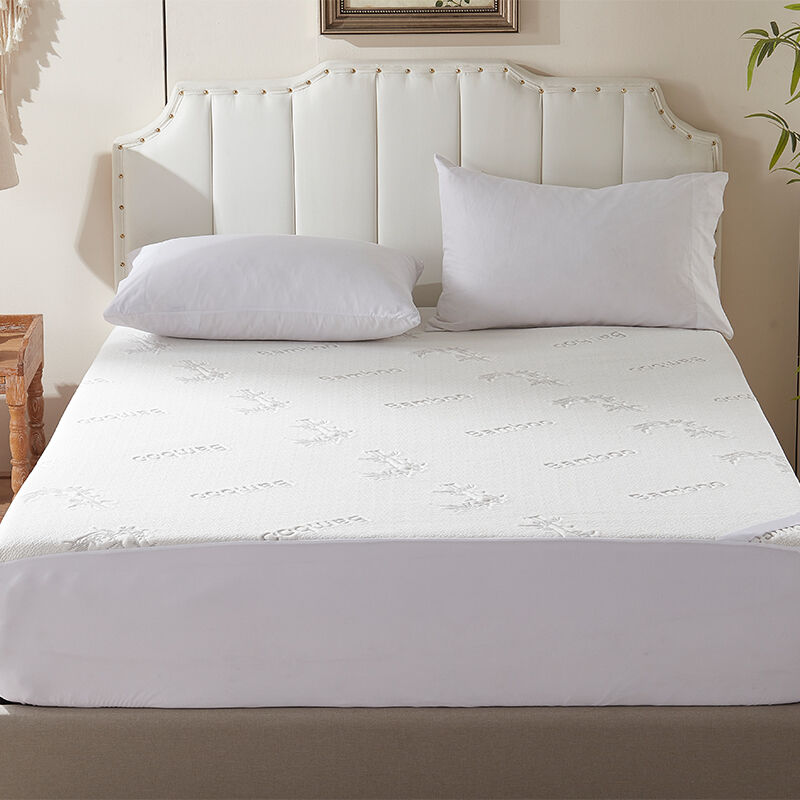
Year-Round Temperature Regulation Across Natural Fibers
Natural fibers are really good at adjusting temperature automatically throughout different seasons without needing any extra power source. Take wool, linen, and hemp for instance—they each have their own special characteristics that help maintain comfortable temperatures all year long. Wool fibers are crinkled and made from keratin, creating little pockets of air when it gets cold. These same fibers can soak up around 30% of their own weight in moisture before actually feeling wet, which helps cool things down through evaporation during warmer months. Linen works differently because its fibers are hollow inside, so they move heat away from the body pretty fast, especially useful when humidity levels rise. Hemp fabric has tiny gaps throughout its structure that let it adjust how breathable or insulating it is based on how moist the air feels. The balance between warmth retention (about R-0.5 rating) and airflow (over 200 cm cubed per second) makes hemp quite versatile. Research published last year looked at fabrics that work both ways showed these natural materials can cut indoor temperature swings by somewhere between 5 to maybe even 8 degrees Celsius depending on what time of year we're talking about.
Wool, Linen, and Hemp: Distinct Thermal Behaviors in Hot and Cold Conditions
-
Wool:
- Cold: Keratin crimp traps warm air—insulating 30% more effectively than polyester.
- Heat: Absorbs significant moisture before saturation, enabling sustained evaporative cooling.
-
Linen:
- Humid Heat: Five times more thermally conductive than cotton—rapidly moves heat away from the body.
- Dry Cold: Offers minimal thermal retention, so layering is recommended—but avoids clamminess.
-
Hemp:
- Variable Climates: Micro-gaps expand in humidity and contract in dryness, actively balancing insulation and airflow.
Natural Antimicrobial Performance—Beyond Marketing Claims
Evidence-Based Mechanisms: Lanolin in Wool, Pectin in Linen, and Lignin in Hemp
The real antimicrobial power in natural fibers comes from their own built-in biochemical stuff rather than anything we add later on. Take wool for instance—it has this stuff called lanolin which is basically a waxy ester that keeps water away and stops bacteria from sticking around. Linen works differently because of its pectin content, something that actually breaks down those tiny microbial cell walls. Hemp fibers contain lignin too, creating both physical blocks and chemical defenses against pathogens trying to take hold. Studies published recently in Frontiers show these natural defenses can cut bacterial growth anywhere between 60% to almost 85%, all without needing any synthetic chemicals. What makes this really interesting is how these natural processes don't mess with our skin's normal microbiome the way those harsh chemical treatments do. That's why people with sensitive skin or conditions like eczema often find these materials much better tolerated compared to conventionally treated fabrics.
| Material | Active Compound | Antimicrobial Action | Microbial Reduction |
|---|---|---|---|
| Wool | Lanolin | Water-repellent barrier | Up to 85% |
| Linen | Pectin | Cell wall disintegration | 60–75% |
| Hemp | Lignin | Structural pathogen blocking | 70–80% |
Debunking Greenwashing: What ‘Natural’ Really Means for Durability and Hygiene
A lot of stuff out there marked as "natural antimicrobial" actually depends on hidden chemicals or just plain old false advertising. Real cleaning power comes down to what happens at the fiber level chemically and how strong those fibers stay together - not all those fancy nanoparticle coatings, silver ions, or potentially harmful surface treatments we hear so much about these days. Take microfibers for example. Some brands boast they remove 99% of bacteria but what they don't mention is that these same products release tiny plastic particles into our environment while nobody has actually checked their claims properly according to an Ashkin Group study. What really keeps natural fabrics clean and lasting long term? It's all about how tightly packed those molecules are, how well the fibers stick together, and naturally occurring substances such as lanolin found in wool or lignin present in certain plant materials rather than whatever buzzwords marketers throw around. If consumers want to steer clear of misleading eco claims, they should check for real certification marks like GOTS or OEKO-TEX Standard 100 instead of trusting vague labels. Also worth looking at are detailed reports showing exactly where materials came from and what processes were used during manufacturing, especially ones that promise no finishing agents were added at any stage.
FAQ
What makes cotton quilts breathable and comfortable?
Cotton quilts are breathable due to their natural fibers that create air pockets, allowing airflow and effectively wicking moisture away from the skin. This helps maintain an optimal sleeping temperature and significantly reduces night-time awakenings.
How do cotton quilts benefit sensitive skin?
Cotton quilts are beneficial for sensitive skin as they have a naturally smooth surface that reduces friction and irritation. Additionally, they maintain a balanced pH close to skin level and don't have residual chemicals, reducing the chance of skin reactions.
Why are natural fibers better for allergy sufferers?
Natural fibers like cotton, wool, and linen naturally resist dust mites and manage moisture effectively, which helps keep mold at bay. This results in fewer nighttime awakenings for allergy sufferers as compared to synthetic materials.
What natural antimicrobial properties do wool, linen, and hemp have?
Wool contains lanolin that acts as a water-repellent barrier, linen has pectin that breaks down microbial cell walls, and hemp contains lignin that blocks pathogens. These properties significantly reduce microbial growth without synthetic chemicals.
What should consumers look for to avoid greenwashing in textiles?
Consumers should look for certification marks such as GOTS or OEKO-TEX Standard 100, which verify true natural and chemical-free processes, and avoid products making vague claims without detailed sourcing and manufacturing reports.