 EN
EN
Foundations of a Sleep Sanctuary: Mattress and Plush Mattress Protector Essentials
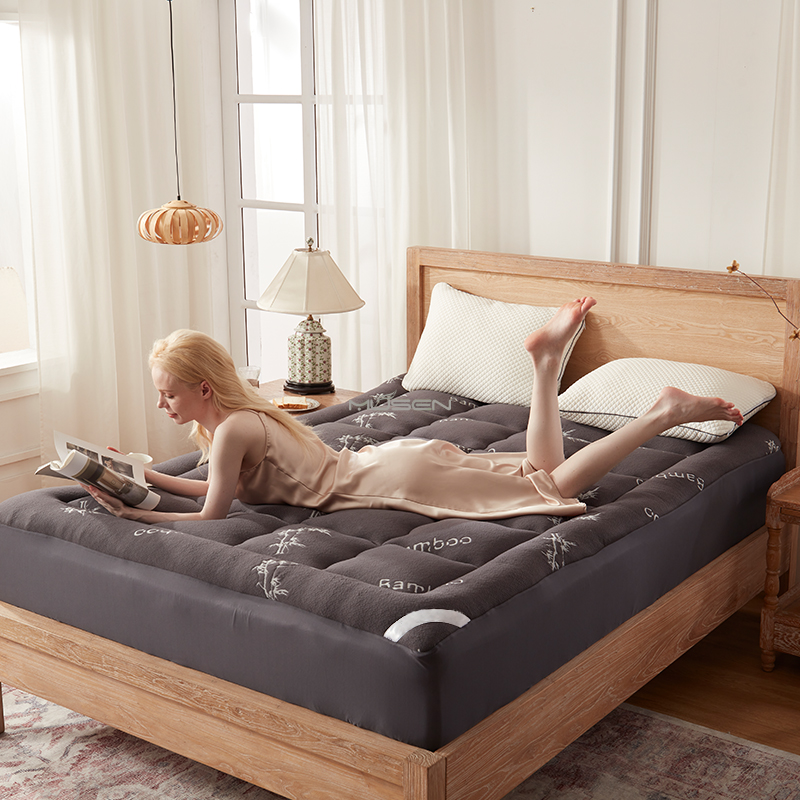
Matching Mattress Support to Sleep Position and Body Type
The mattress we sleep on really matters when it comes to getting proper rest at night. People who sleep on their sides generally do better with something around medium softness since it helps take pressure off those bony areas like hips and shoulders. For folks who prefer back or stomach sleeping positions, a bit firmer mattress tends to work better because it keeps the spine aligned properly, which can make all the difference in preventing ongoing aches and pains. Those over 230 pounds usually need extra support built into the mattress core so it doesn't start sagging too soon after purchase. Lighter weight sleepers might actually find super plush mattresses too hard for comfort though. Getting good spinal alignment matters quite a lot apparently, with research suggesting people wake up feeling better about 62 percent of the time when they have proper support beneath them according to Sleep Foundation data from last year.
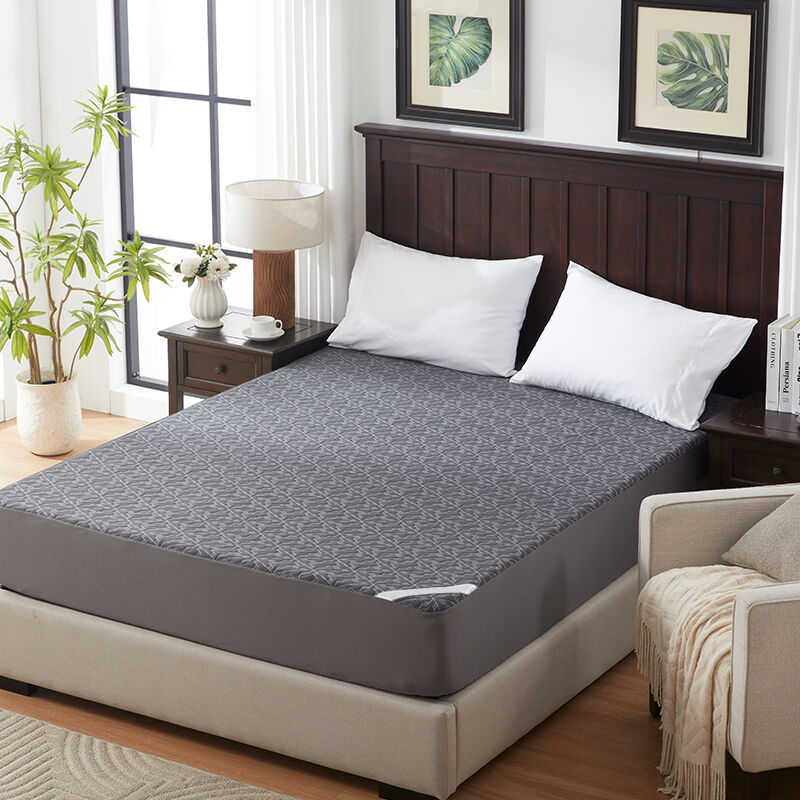
Why a Plush Mattress Protector Is Non-Negotiable for Comfort, Hygiene, and Longevity
Beyond safeguarding your investment, premium protectors enhance sleep quality through three vital functions:
- Hygiene Defense: Creates a 0.1-micron barrier against dust mites, bacteria, and allergens reducing exposure to irritants by 95%.
- Moisture Control: Advanced polyester membranes block spills while maintaining breathability, preventing bacterial growth in humid environments.
- Longevity Insurance: By preventing sweat, oils, and dead skin cells from penetrating the mattress core, protectors extend mattress lifespan by up to 10 years.
The plush quilted surface adds cloud-like comfort without compromising temperature regulation. Unlike crinkly vinyl alternatives, modern microfiber versions remain whisper-quiet during movement.
Temperature-Regulating Bedding Materials for Uninterrupted Deep Sleep
Flax Linen: The Gold Standard in Natural Breathability and Thermoregulation
Natural flax linen beats most synthetics because of those special hollow fibers and that loose weave pattern, which lets air circulate better and moves sweat away from the skin faster. Research showed something interesting too flax can actually lower body temperature by around 3 to 5 degrees Celsius when compared to regular polyester mixes. Flax pulls in about 20 percent more humidity than cotton does, so people stay drier throughout the night without waking up soaked in sweat. Another bonus? The material gets softer as time goes on, making it great choice for folks who tend to run warm while sleeping. Plus, since it lasts so long, it's both eco friendly and cost effective in the long run.
Organic Cotton vs. Tencel vs. Bamboo Viscose: A Thermal Performance Comparison
Each material offers distinct advantages for temperature management:
| Material | Thermal Conductivity | Moisture Wicking Rate | Heat Retention | Best For |
|---|---|---|---|---|
| Organic Cotton | Moderate | 12% body moisture/hr | Medium | All-season use |
| Tencel Lyocell | High | 50% faster than cotton | Low | Hot climates |
| Bamboo Viscose | Variable | High initial absorption | High when dense | Cooler environments |
The plant-based roots of Tencel mean it actually keeps people cooler than most other fabrics. Studies show that because of its unique nanofibril structure, Tencel can pull heat away from the body about 30 percent quicker compared to bamboo. Bamboo viscose is pretty good at letting air through, no doubt about that, but when manufacturers weave it too tightly, it starts losing those cooling benefits. Organic cotton remains a solid choice throughout different seasons, although how well it regulates temperature really comes down to how thick the threads are in the fabric. Want to get the most out of these materials? Think about where you live and what kind of weather dominates there. Pair whatever fabric works best for your area with something like a soft mattress cover that doesn't affect body temperature either way.
Hypoallergenic Pillows That Support Spinal Alignment and Respiratory Health
Pillow Fill Showdown: Kapok, Buckwheat, and Shredded Latex for Cervical Support
Selecting the right pillow fill directly impacts cervical alignment and respiratory health. For allergy sufferers, hypoallergenic materials like kapok, buckwheat, and shredded latex actively deter dust mites while enhancing comfort:
- Kapok: Silk-like plant fibers offer medium support and exceptional breathability, ideal for neck pain relief and temperature-sensitive sleepers.
- Buckwheat: Adjustable hulls provide personalized cervical contouring, reducing nerve pressure for side and back sleepers.
- Shredded latex: Responsive yet firm support maintains spinal neutrality while resisting mold and bacteria critical for asthma sufferers.
Buckwheat airflow channels and latex antimicrobial properties minimize allergen accumulation, helping prevent nighttime congestion.
Amplifying Bedding Efficacy: Optimizing Light, Sound, and Climate in the Bedroom
Creating a truly restorative sleep sanctuary extends beyond quality bedding to environmental optimization. Three critical factors require attention:
- Light Control: Install blackout curtains or cellular shades to eliminate disruptive external light, which suppresses melatonin production. Even low-level illumination can fragment sleep cycles.
- Noise Management: Maintain ambient sound levels of 20–50 decibels using white noise machines or fans. Consistent soundscapes improve sleep efficiency by up to 15% compared to intermittent noise.
- Climate Regulation: Target 65–68°F (18–20°C) the scientifically validated optimal range for thermoregulation during sleep. Pair breathable materials like organic cotton sheets with smart climate systems for stability, reducing nighttime awakenings by 37%.
Integrating these elements with foundational bedding creates synergistic comfort. Light-blocking solutions enhance thermal efficiency, while sound management complements temperature consistency transforming bedrooms into biologically aligned retreats for uninterrupted deep sleep.
Table of Contents
- Foundations of a Sleep Sanctuary: Mattress and Plush Mattress Protector Essentials
- Temperature-Regulating Bedding Materials for Uninterrupted Deep Sleep
- Hypoallergenic Pillows That Support Spinal Alignment and Respiratory Health
- Amplifying Bedding Efficacy: Optimizing Light, Sound, and Climate in the Bedroom