 EN
EN

How Cooling Fabrics Enable Optimal Thermal Regulation in a Lightweight Summer Quilt
The science of breathability, moisture-wicking, and heat dissipation in quilt construction
Breathable fabrics actually work by creating tiny air pockets inside quilts, letting body heat escape but keeping cooler air close to our skin. Fabrics that wick moisture away pull sweat from the body through some kind of fiber magic, which stops us from getting all damp and sweaty during the night. This helps people fall asleep easier and stay asleep longer. When it comes to how heat leaves the body, there are two main ways this happens naturally. Natural fibers such as linen and bamboo tend to do better because they're not packed together so tightly. Research shows these loose weaves can let about 40% more air flow through compared to tighter fabrics. For summer sleeping, lighter quilts made from thin materials (less than 150 grams per square meter) help keep things cool since they don't trap heat like heavier blankets do. What we end up with is a pretty good balance where body heat just kind of slips out on its own throughout the night. No more waking up feeling like we've been swimming in our own sweat, which is what often happens with regular bedding.
Why Q-Max values and phase-change materials (PCMs) matter for real-night cooling performance
The Q-Max measurement tells us how cool something feels when it touches our skin. When this value goes over 0.3 W per square centimeter, we know there's enough heat being absorbed right away to make a real difference. These special phase change materials, or PCMs for short, are tiny capsules mixed into the filling or fabric of quilts. They work by soaking up extra warmth from our bodies as they start to melt during warmer periods. Then later, when temperatures drop like they do during deep sleep, these materials slowly give back the stored heat. This helps keep things comfortable around the ideal sleeping temperature range of 28 to 32 degrees Celsius. Testing shows that quilts with PCMs stay about 2 to 5 degrees cooler than regular ones, and this cooling effect lasts anywhere from 8 to 10 hours. That timing matches pretty well with our natural sleep patterns. Putting together fabrics with good Q-Max ratings and those PCM filled materials makes a noticeable difference for people dealing with night sweats during menopause or anyone who tends to get too hot in humid weather. Plus, no need for any fancy cooling gadgets either.
Natural Fiber Showdown: Linen, Tencel® (Eucalyptus), Bamboo, and Supima Cotton for Lightweight Summer Quilts
Fiber structure, GSM range, and weave impact on weight, airflow, and night sweat management
The cooling properties start right down at the fiber level itself. Take linen for example. The long, coarse flax fibers create this open, irregular weave pattern that lets air flow through freely while keeping heat from building up inside. Most linen fabrics fall between 100 and 200 grams per square meter, which means they stay light on the body but still hold up well over time. Quilts made below 150g/m² tend to feel noticeably cooler against the skin. Bamboo fabric has those fine, smooth fibers that make it super breathable around the 100 to 150g range. This works great during hot summer nights when sweat needs to evaporate quickly. Tencel, which comes from eucalyptus trees, mixes those fine, water-attracting fibers with something similar to silk's density. At about 200g/m², it feels surprisingly light despite being quite luxurious in how it drapes. The weave is tight enough to prevent moisture from getting trapped yet still allows good airflow. Supima cotton stands out because it uses these extra long staple fibers that give both softness and strength typically found in the 150 to 180g range. When combined with a percale weave structure, it manages to balance proper airflow with staying dry longer than regular cotton does. What's interesting is that none of these materials depend solely on their fiber source for cooling effects. Instead, how they're woven together plays a major role in managing ventilation and dealing with sweat effectively.
ASTM D1179 & ISO 11092 test data: Comparing objective cooling efficiency across quilt-ready fabrics
Testing standards actually tell us how materials perform in real life situations. The ASTM D1179 test looks at air permeability. Linen naturally has the best airflow among all natural fibers because of how open its structure is. Bamboo comes right after linen, since its fine fibers let air through pretty well even when packed tighter together. Then there's ISO 11092 which checks two main things thermal resistance (called Rct where lower numbers mean better cooling) and moisture vapor transmission rate (MVTR where higher means sweat moves away faster). When tested in labs, bamboo and Tencel tend to have the lowest Rct values and highest MVTR ratings, which explains why they work so great in hot, humid places. Supima cotton does okay with airflow but doesn't handle moisture as well as those others, making it better suited for arid climates rather than tropical ones. What really sets linen apart though is how long it lasts through multiple washes and sun exposure without losing its cooling properties. All these measurable facts help people pick materials based on actual performance instead of just what companies say when putting together a good quality summer quilt.
Proven Benefits of a Lightweight Summer Quilt for Heat-Sensitive Sleepers
Clinical and user-reported outcomes for menopause-related night sweats and humid-climate discomfort
People who struggle with heat at night are finding real relief from lightweight summer quilts. Research shows that women going through menopause experience about 68 percent fewer hot flashes during sleep when they switch to bedding with phase change materials (PCMs) and those special Q-Max fabrics we've all heard so much about lately. In places where humidity is a problem, folks report waking up 42 minutes less each night on average when using these temperature balancing quilts, which makes a noticeable difference in how they feel rested in the morning. Most users mention feeling instantly cooler when they first lie down, and this comfort lasts throughout the night without that annoying cycle of getting too cold then too warm again. Labs have actually measured some pretty interesting stuff too. When body temps stay steady all night long, cortisol drops around 31%, leading to better REM sleep patterns and people generally feeling more awake come sunrise. What's really exciting here isn't just that people say they feel better, but there are actual physiological changes happening that point to real health benefits for managing stress and getting proper rest.
Designing a Cohesive Cooling Bedding System Around Your Lightweight Summer Quilt
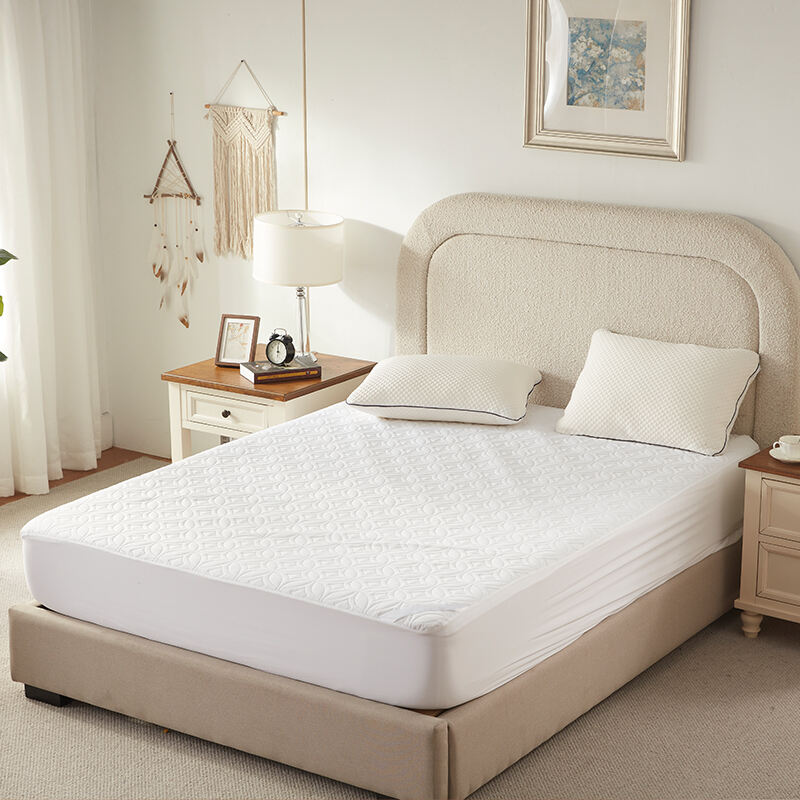
Lightweight summer quilts work wonders when they're part of a complete cooling system rather than just sitting alone on the bed. Start with a good breathable mattress protector made from organic cotton or Tencel materials that let heat escape instead of trapping it like those synthetic PU coatings do. Put a PCM cooling pad underneath next these pads actually soak up body heat before it gets absorbed into other bedding layers. For the base layer, go for percale woven sheets in either linen around 200 to 250 GSM or bamboo between 200 and 300 GSM. Their tight weave still allows plenty of air circulation while staying pill resistant. Thin cotton throws make great mid layers but only bring them out during cooler evenings or when the AC isn't quite keeping up. Keep the summer quilt as the main insulation piece, making sure whatever fill material it has silk, super light merino wool, or eco-friendly synthetics works well with the climate where you live. Studies indicate that people who build full cooling systems sleep better at night waking up 33% less often compared to those relying on just one product. Switch things up with seasons too. During hot summer nights stick to just the quilt and moisture wicking sheets. When temperatures drop a bit in spring or fall, add back that extra layer. And don't forget about ventilation. Cross breezes or ceiling fans really help circulate air. Wash fabrics in cold water and hang dry whenever possible to keep fibers fluffy and their moisture moving properties intact over time.
Table of Contents
- How Cooling Fabrics Enable Optimal Thermal Regulation in a Lightweight Summer Quilt
- Natural Fiber Showdown: Linen, Tencel® (Eucalyptus), Bamboo, and Supima Cotton for Lightweight Summer Quilts
- Proven Benefits of a Lightweight Summer Quilt for Heat-Sensitive Sleepers
- Designing a Cohesive Cooling Bedding System Around Your Lightweight Summer Quilt