+86 15957161288
[email protected]
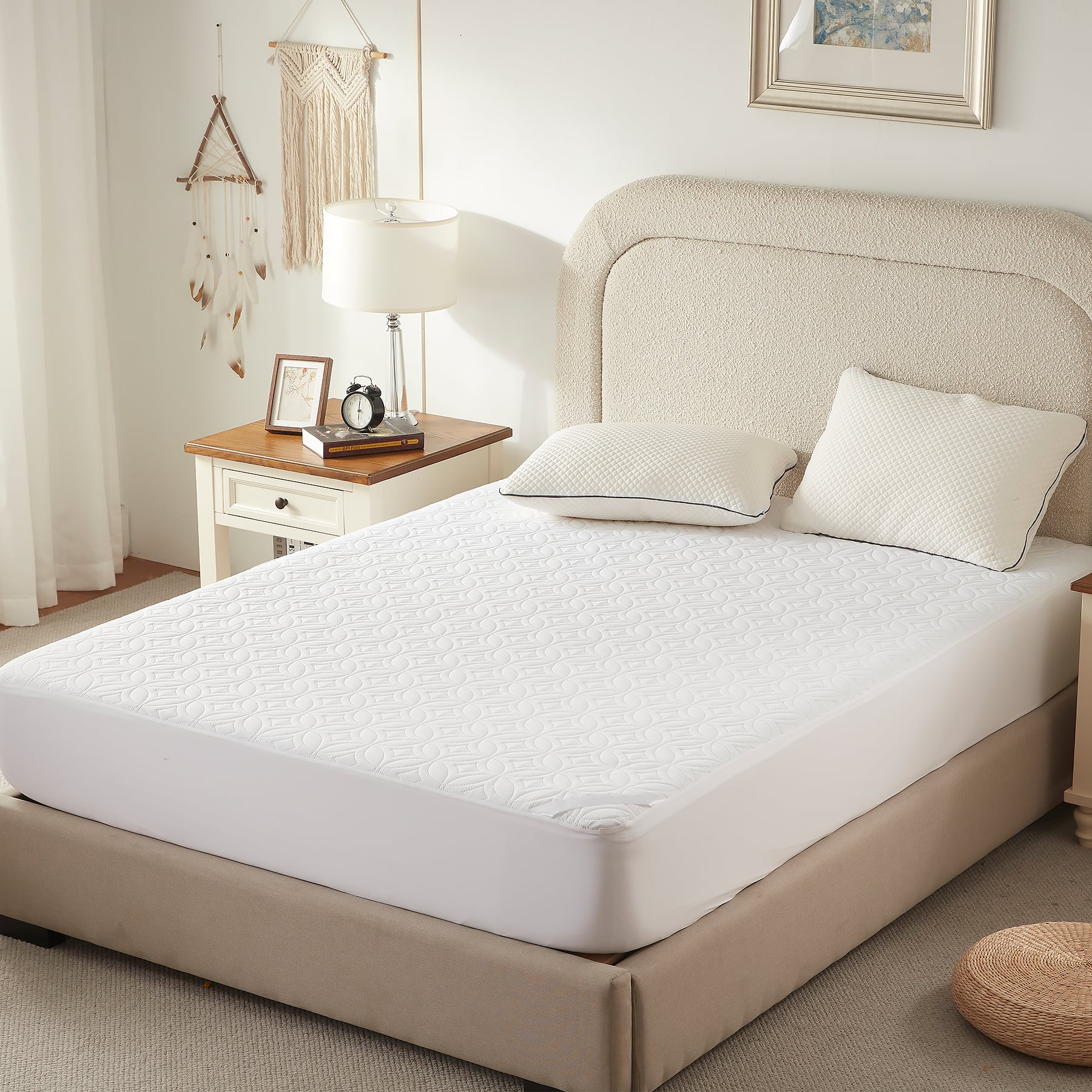
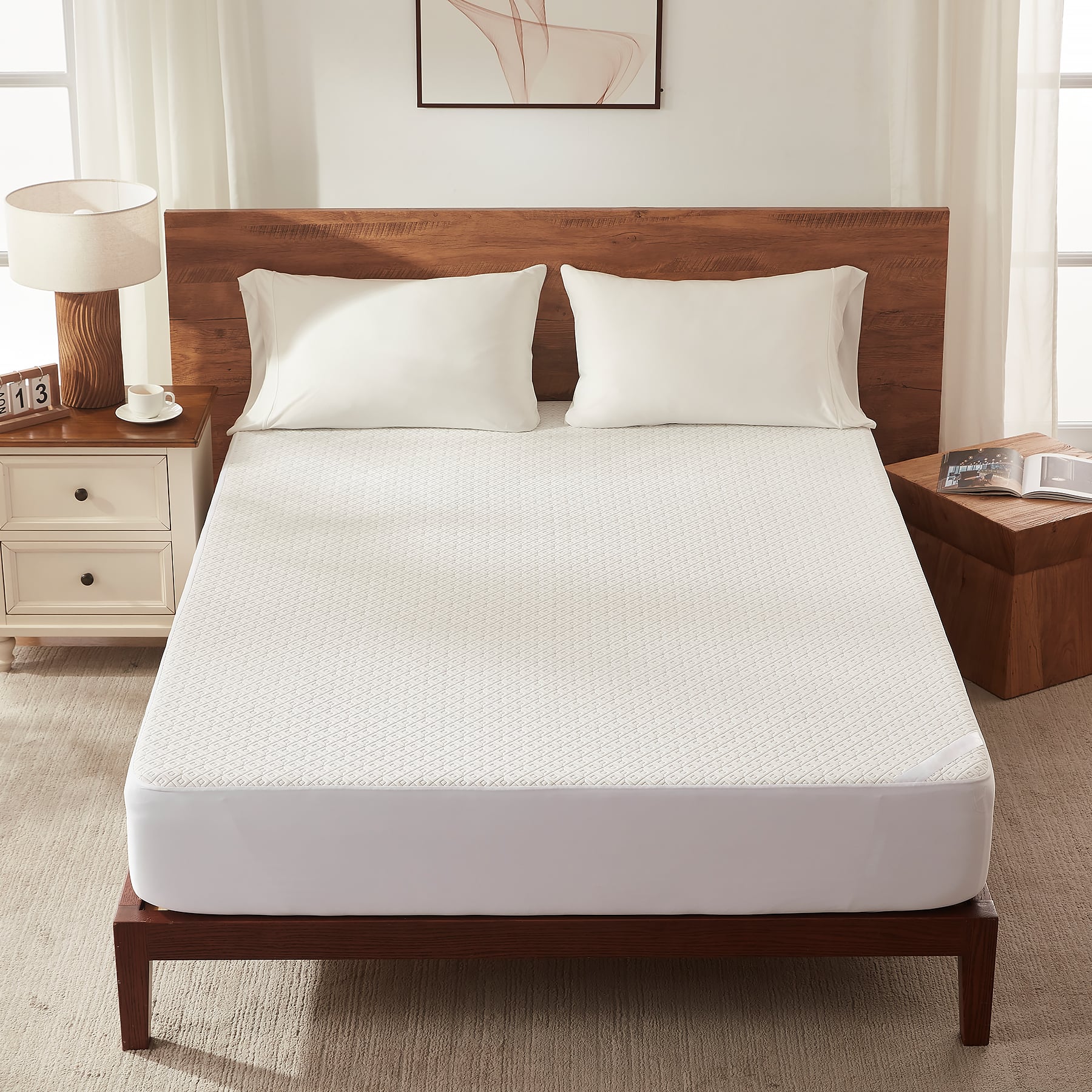
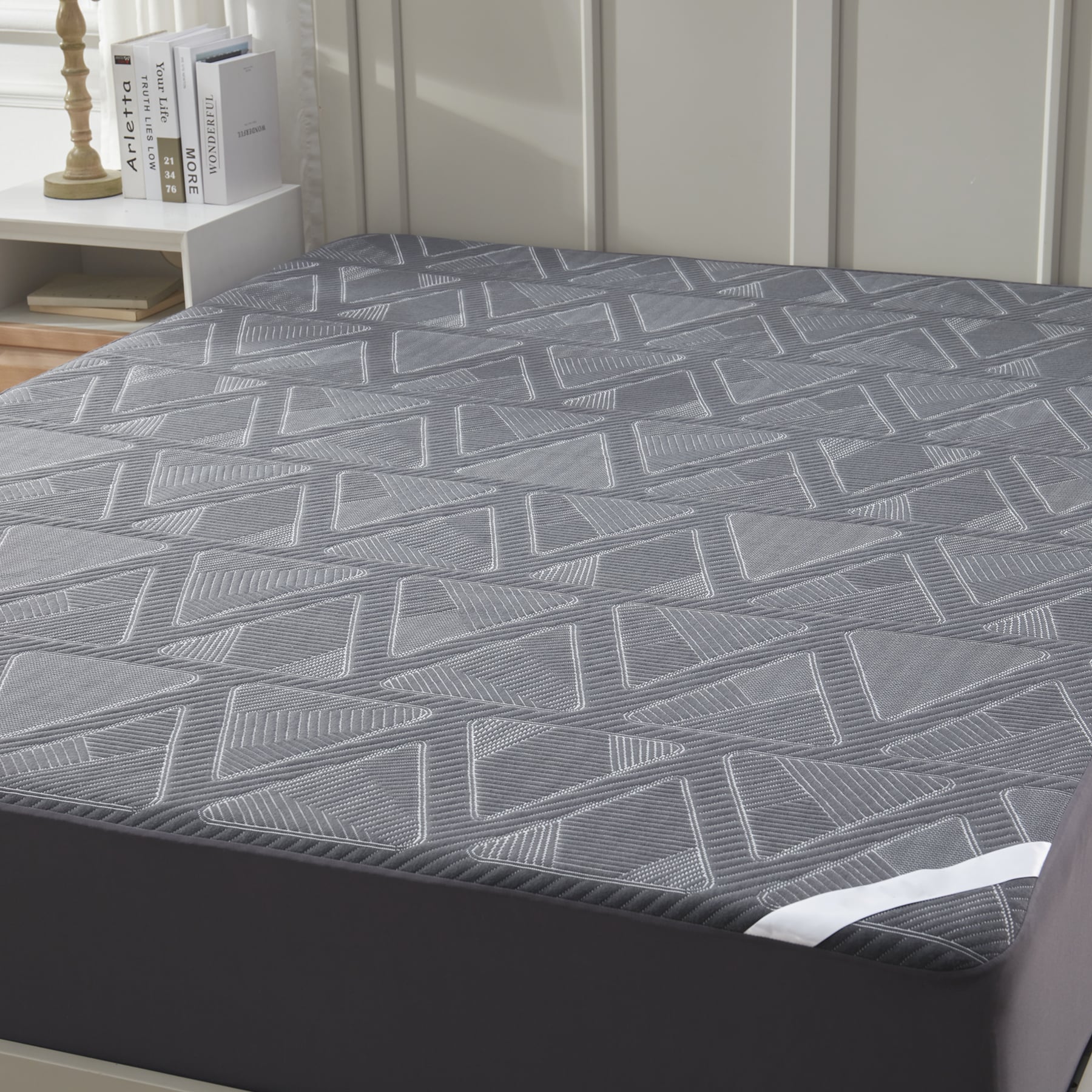
Mattress protectors are those removable fabric layers we put over our beds to keep them safe from spills, allergens, and all that normal daily mess. They're different from mattress pads which mainly make sleeping more comfortable. Protectors actually work as barriers against things like dust mites, pet hair, sweat buildup, and those inevitable coffee spills nobody sees coming. Some of the better quality ones now come with special hypoallergenic fabrics and waterproof stuff called TPU, which stands for thermoplastic polyurethane if anyone cares. These features let the protector do its job while still allowing air to flow through, so the mattress doesn't get too hot during sleep.
According to the Sleep Health Foundation's 2022 report, around two thirds of homes are now making sleep hygiene improvements a priority, which means mattress protectors aren't just fancy extras anymore but something most people consider necessary for their beds. City dwellers face particular challenges when it comes to keeping their sleeping area clean. There are simply more allergens floating around in apartments compared to suburban homes, plus more folks keep pets inside, and space constraints mean sheets get changed less frequently. The numbers back this up too. A recent market study showed that about eight out of ten people who started using hypoallergenic mattress covers noticed their allergy flare ups dropped significantly. These protective covers work by stopping sweat from soaking into the mattress fabric and keeping mold and bacteria at bay. Most consumers find that investing in a good quality protector actually saves money over time since mattresses last longer without getting damaged by spills or everyday wear and tear.
Studies on sleep health show that hypoallergenic mattress protectors stop about 98 percent of those pesky dust mites and pet allergens from getting into the mattress itself. These barriers also keep around 10 grams worth of dead skin buildup at bay each year, which happens to be exactly what dust mites love to eat. People who struggle with allergies often find their nighttime sneezing and stuffy nose problems drop significantly when they switch to protected mattresses. Some reports even suggest improvements as high as 63% reduction in symptoms compared to regular, unprotected beds.
Tightly woven protector fabrics reduce airborne allergen concentrations by 74% within two weeks of use. The American College of Allergy, Asthma & Immunology recommends these as a first-line defense for asthma management, noting a 40% decrease in rescue inhaler use among children using certified allergy-proof models.
Today's mattress protectors are made with special fabrics that actually wick away moisture much quicker than regular cotton sheets do. These materials can keep the sleeping area about two thirds drier compared to traditional options. When there's less moisture around, it creates conditions where mold just doesn't stand a chance since those pesky spores really need humidity levels above 60% to take hold and grow within the mattress itself. According to testing done in laboratories, we've seen almost nine out of ten cases showing significantly less bacteria buildup after using these protective covers for a full year period.
Waterproof protectors prevented permanent staining in 97% of simulated spill tests involving coffee, wine, and synthetic sweat (Consumer Reports 2023). Premium hydrophobic membranes repel liquids within 0.3 seconds while remaining undetectable under sheets.
Machine-washable protectors reduce deep-cleaning frequency by 75%, with 92% of users reporting easier bed maintenance (Sleep Health Foundation). On average, users save 14 hours per year on mattress care and maintain 98.6% of their mattress's original freshness over five years.
Most waterproof protectors these days rely on something called thermoplastic polyurethane or TPU for short. This material forms what amounts to a quiet, nearly invisible barrier against all sorts of messes like spills, those inevitable pet accidents, and pesky leaks. The newer TPU stuff is way different from the old vinyl models that used to squeak and crack. Parents really care about this quiet aspect too. According to recent research from Sleep Foundation back in 2023, around three out of four parents want their kids' sleep undisturbed by noisy materials. Another nice feature found on many TPU protectors is built-in antimicrobial treatment. These help fight off unpleasant smells that tend to develop after repeated washings, which makes sense since nobody wants their bedding smelling like a locker room.
Hypoallergenic protectors certified by OEKO-TEX have these super tight weaves that stop almost all dust mites and pet dander, about 99.8% according to tests. When it comes to organic cotton versions, they breathe better than synthetic materials by roughly 32%, plus they don't contain those nasty chemicals. People with eczema really benefit from this stuff. Clinical studies show that around two thirds of users notice less itching at night when using these products, as reported by the National Eczema Association last year.
Phase-change material (PCM) protectors absorb excess heat during early sleep stages and release it gradually as body temperature drops. Bamboo-derived rayon lowers surface temperatures by 3-5°F, based on thermographic lab studies. These models combine high thread counts (450+) with moisture-wicking performance for optimal comfort.
Unbleached organic cotton offers superior softness, with 93% user satisfaction in tactile evaluations. Its natural fiber structure allows 27% more airflow than polyester blends, reducing heat retention. Integrated TPU underlayers provide reliable spill protection without compromising breathability.
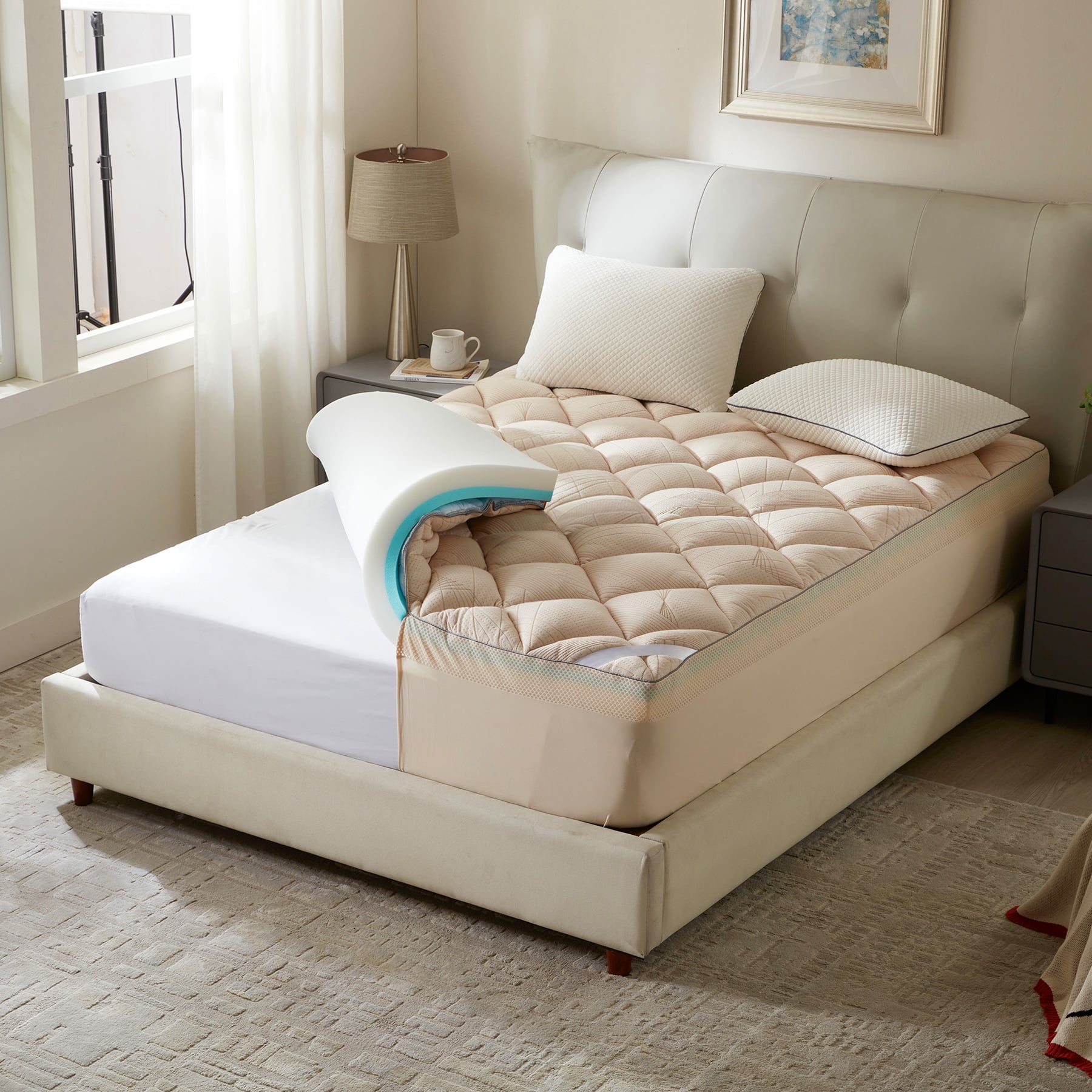
Microporous TPU membranes deliver hospital-grade liquid resistance at just 0.2 mm thickness—85% thinner than traditional vinyl. Third-party testing confirms they block 100% of fluids while preserving over 98% of a mattress's breathability, eliminating the "plastic bag" sensation reported by 62% of users with older waterproof models.
| Feature | Material Combination | Benefit |
|---|---|---|
| Allergen Blocking | Organic Cotton + TPU Backing | Blocks 0.3-micron particles while maintaining cotton's breathability |
| Heat Dissipation | Bamboo Charcoal + PCM Infusion | Reduces peak sleep temperatures by 7°F (2023 Thermal Comfort Study) |
| Stain Resistance | Tencel Lyocell + Polyurethane | Repels liquids 40% faster than cotton alone (Consumer Reports 2024) |
Hybrid designs meet multiple sleep needs simultaneously—89% of users in a 2024 survey reported higher satisfaction than with single-function protectors.
Mattress protectors serve as a frontline barrier against daily contaminants like spills, sweat, dust mites, and dead skin cells. Unprotected mattresses absorb 10–15 liters of moisture annually (Sleep Health Journal 2022), accelerating foam degradation. With a protector, structural integrity is preserved, support remains consistent, and internal materials stay clean and dry.
Research shows protected mattresses last 7–10 years versus 5–7 years when unprotected. A 2023 analysis found that 78% of protected units retained 90% of their original support after eight years. This extended durability delays replacement costs and helps maintain warranty eligibility—especially important since 65% of warranties require proof of stain protection.
| Expense | Average Cost | Frequency | 10-Year Total |
|---|---|---|---|
| Mattress Protector | $40 | Every 3 years | $133 |
| Premium Mattress | $1,200 | Every 10 years | $1,200 |
| Unprotected Total | — | Every 7 years | $2,400 |
Over a decade, investing $133 in protectors avoids $2,400 in replacement costs—an 18:1 return. This makes protectors a smart financial choice for budget-conscious consumers.
Modern bedding solutions now come with phase change materials (PCMs) built right in. These materials work by soaking up extra warmth when things get too hot and then letting it go again as temperatures drop. The result? Bed surfaces stay pretty close to the sweet spot for comfortable sleep, usually within just 2 or 3 degrees Fahrenheit of what's considered ideal. According to data from Sleep Health Foundation back in 2023, around two thirds of grown ups actually struggle with temperature issues while trying to catch some shut eye. For folks who tend to overheat at night, there are also options like graphene treated fabrics mixed with bamboo fibers. These combinations help move air better and manage sweat much more effectively than traditional materials do.
Silver-ion and copper-oxide treatments reduce bacteria by 99.4% within 24 hours (Textile Research Journal 2023). At the same time, growing consumer demand—78% now prioritize eco-friendly materials—is driving innovation in plant-based waterproof layers from castor beans and fully compostable options made from corn fiber.
Market analysts predict the bedding protection sector will expand at around 6.5 percent per year until 2035. This growth seems driven largely by new products that mix water resistance with breathability features plus antimicrobial technology. According to the latest industry report from 2024, roughly 4 out of every 10 consumers are looking for these triple action systems nowadays. That's actually up nearly 17 points compared to just two years ago when this trend first started gaining traction. Looking at regional trends, the Asia Pacific area remains ahead of the curve. Eco friendly buying habits there have jumped by about 22 percent each year as cities continue expanding rapidly across countries like China and India where demand for quality sleep solutions keeps growing alongside population increases.
 Hot News
2025-09-04
2025-09-02
2025-09-01
2025-07-08
2025-06-10
2025-12-25
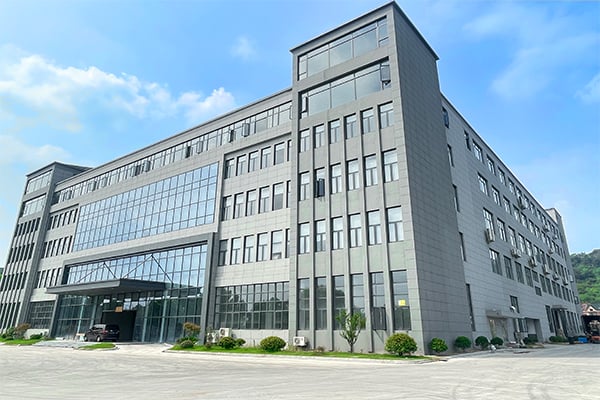
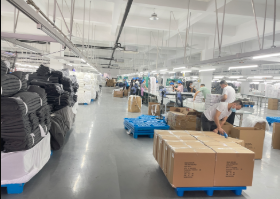
Hangzhou Musen specializes in premium waterproof mattress protectors, toppers, and bedding. OEM/ODM for hotels, Amazon sellers, retailers. 10K+ units daily. ISO-certified quality. Contact us today.
No. 347 Shanlian, Suoqian Town Hangzhou Zhejiang China
Copyright © 2025 by Hangzhou Musen Import And Export Co., Ltd. Privacy Policy
 EN
EN