 EN
EN

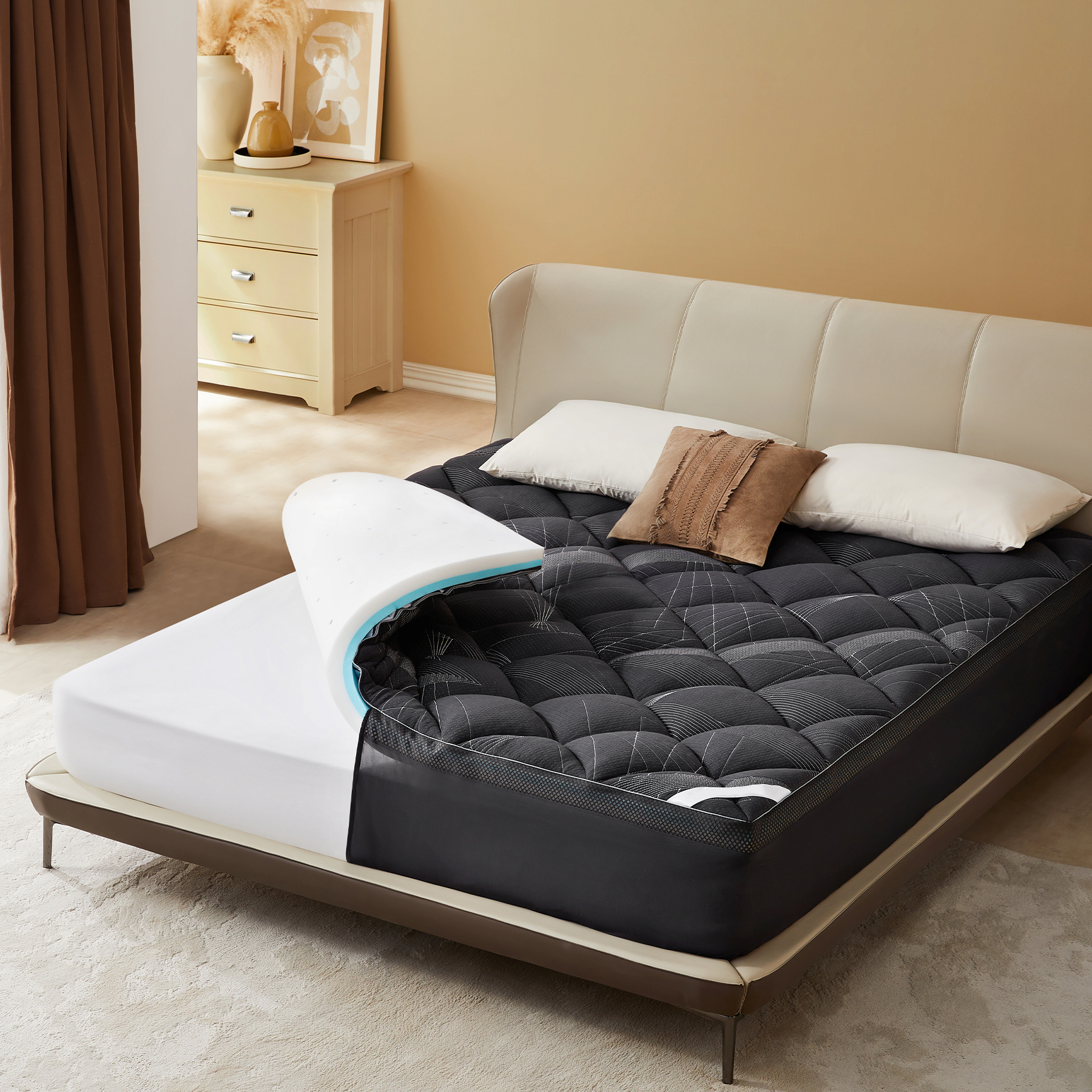
Choose Certified, Non-Toxic Materials for Children's Pillow Cases and Bedding
Why OEKO-TEX® and GOTS Certifications Are Essential for Children's Pillow Cases
Choosing materials that are truly non-toxic matters a lot when it comes to kids' pillowcases. Their little bodies tend to soak up chemicals much faster than grownups do, which makes safety even more important. Take GOTS certification for instance. It checks not just if the fabric is organic but also looks at how ethically it was made, keeping a close eye on anything potentially harmful. Then there's the OEKO-TEX Standard 100 test that screens out hundreds of nasty stuff we don't want near our skin. Think about all those heavy metals, dye allergies, pesticides left behind, and formaldehyde too. Kids actually spend around 10 to 12 hours every day lying right on their bedding, so getting third party certifications isn't just nice to have anymore. These certifications offer real protection against small amounts of chemicals building up over time something parents should definitely consider before buying.
Hidden Risks: Formaldehyde, Flame Retardants, and Phthalates in Uncertified Fabrics
Uncertified fabrics often contain hazardous additives with well-documented developmental consequences:
- Formaldehyde, used in wrinkle-resistant finishes, is a known carcinogen and respiratory irritant
- Organophosphate flame retardants, commonly applied to synthetic blends, are linked to hormonal disruption and measurable declines in cognitive development—studies associate early-life exposure with IQ reductions of 4–5 points
- Phthalates, frequently found in PVC-coated or plasticized textiles, act as endocrine disruptors that may interfere with reproductive system maturation
Infants absorb these compounds through skin contact and inhalation at up to three times the rate of adults, making rigorous screening—like that required by OEKO-TEX® and GOTS—non-negotiable for any fabric touching a child’s face or skin during sleep.
Follow Age-Specific Safety Standards to Prevent SIDS and Suffocation
The Bare Crib Rule: Evidence-Based Guidelines for Infants Under 12 Months
Infants under 12 months face the highest risk of sleep-related death, with approximately 3,500 cases annually in the U.S. alone. The American Academy of Pediatrics (AAP) mandates the “bare crib” standard as the single most effective preventive measure:
- Always place babies supine (on their back) on a firm, tight-fitting mattress
- Remove all soft objects—including pillows, blankets, bumper pads, and stuffed animals
- Use only a fitted crib sheet with no loose fabric
This approach eliminates entrapment, airway obstruction, and overheating—the primary mechanisms behind SIDS and accidental suffocation—and reduces risk by more than 50% compared to noncompliant sleep environments.
Safe Transitions: When and How to Introduce Pillow Cases, Blankets, and Pillows by Developmental Stage
Transition to bedding beyond the bare crib only after 12 months and when developmental readiness is confirmed—not by calendar age alone. Key milestones include consistent independent rolling, unassisted sitting, and the ability to push away objects from the face.
Start with something simple like a flat pillow that's about an inch or two thick, made from materials that won't irritate sensitive skin. Wrap it in a good quality, breathable cover that's been tested for safety standards. For blankets, go with light ones that fit snugly under the mattress rather than those big puffy things that tend to slip around. Parents should wait on bringing out regular adult bedding until kids are around three or four years old. At this stage, most children have developed better control over their bodies, understand where they are in space, and can generally handle getting tangled up without serious risk. The extra layer of protection against suffocation becomes unnecessary once these developmental milestones are reached.
Design a Holistic, Child-Centered Sleep Environment
Creating a sleep sanctuary for children requires a holistic approach that prioritizes both physical safety and developmental support. Every element—from mattress choice to furniture placement—directly impacts their well-being, autonomy, and long-term health.
Mattress Selection, Firmness, and Positioning for Healthy Spinal Development
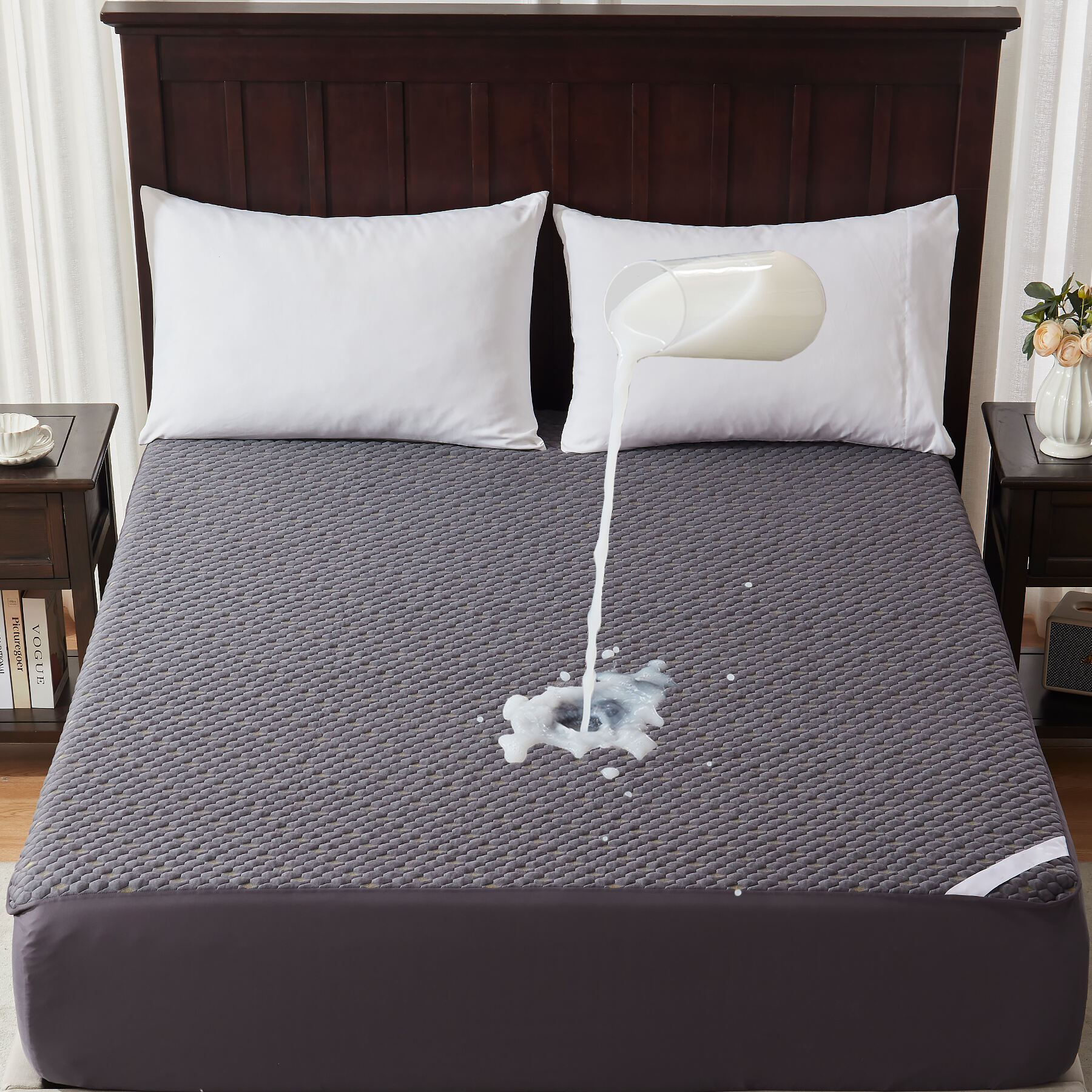
Getting a good quality, firm mattress matters a lot for kids' health and safety. When beds are too soft or start to sag over time, there's actually a higher chance of suffocation risks. Plus, the spine doesn't stay properly aligned at night. Kids' hips and shoulders tend to sink into these softer surfaces during those rapid growing phases. Make sure the mattress sits right up against the bed frame with no space between them. Sheets and pillowcases should fit snugly so they don't come loose or create bunches during the night. According to what pediatric orthopedists recommend, keeping the spine in a neutral position while sleeping helps bones develop correctly. Research shows this can cut down on chronic back problems later in life by around one third when compared to kids who sleep on poor quality support.
Montessori Floor Beds and Low-Bed Solutions: Safety Integration and Room Proofing Essentials
Low-profile beds—especially Montessori floor beds—support autonomy, body awareness, and safe mobility. To maximize benefits while minimizing risk:
- Anchor all furniture securely to walls
- Maintain a minimum 3-foot clearance around the sleep zone
- Use non-toxic, cushioned floor mats (OEKO-TEX® certified where possible)
- Eliminate dangling cords, loose rugs, and small objects within arm’s reach
When making rooms safe for little ones, there are several important things to do first. Cover those electrical outlets, put up window guards, keep those blind cords out of reach, and check all furniture for any sharp corners or places where fingers might get pinched. Creating these safety measures lets kids explore without constant worry about accidents happening. Parents often notice fewer night terrors when babies aren't stuck in tight spots during sleep time either. These practices actually match what pediatric experts at organizations like the American Academy of Pediatrics and Centers for Disease Control recommend to prevent injuries among young children growing up fast.