 EN
EN
How Antibacterial Microfiber Enhances Hygiene and Functional Performance
Mechanisms Behind Silver-Ion and Zinc-Oxide Treatments
The antibacterial properties of microfiber fabrics work through two main methods that complement each other without releasing harmful substances into the environment. The first involves silver ion treatment where positively charged silver particles actually get inside bacteria cells, messing up their enzyme systems and causing damage to their DNA structures. Then there's zinc oxide nanoparticle technology which activates when exposed to normal lighting conditions. These tiny particles create what scientists call reactive oxygen species ROS that basically break down important parts of fungal and viral cells. What makes this combination so effective is that it creates protection around the clock without making fabrics feel stiff or uncomfortable against skin. Importantly, during production these antimicrobial agents form strong chemical bonds with the actual fibers themselves. This means they don't wash away over time. Testing shows most products maintain over 90 percent effectiveness even after being washed fifty times or more according to standard testing protocols set by international organizations.
Performance Validation: ASTM E2149 Testing and Real-World Efficacy in Towels and Bedding
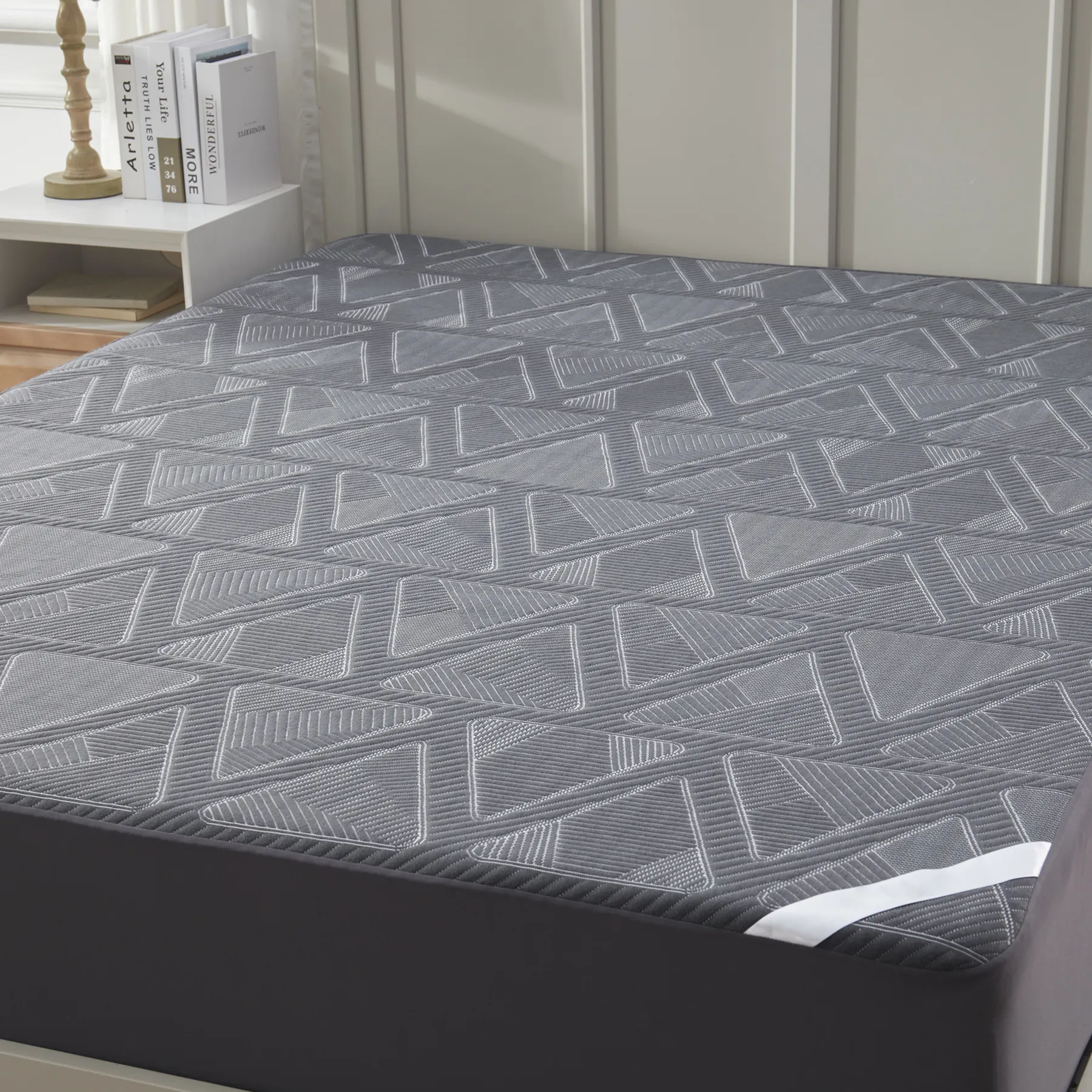
Tests have shown these products work well in actual usage scenarios. According to the ASTM E2149 dynamic contact test which simulates how people actually interact with materials in everyday life, there's almost complete elimination (over 99.9%) of both Staphylococcus aureus and E. coli bacteria from treated bedding surfaces within just an hour. When we look at damp areas such as bathrooms where moisture tends to linger, antimicrobial towels simply don't accumulate nearly as many smell-producing microbes compared to regular cotton ones. After sitting around for three whole days, they end up with about 87% less bacterial growth. What makes this possible? The technology behind it works kind of like a slow drip irrigation system for protection. Active components keep getting distributed across the fabric surface even when someone keeps pressing down or rubbing against them repeatedly. Real world testing at hotels and other places where lots of guests come and go has confirmed what lab results suggested too. Antibacterial bedsheets consistently show about 30% lower levels of germs after going through the same washing process as their non-treated versions.
Balancing Durability, Safety, and Environmental Responsibility
Wash-Resistance and Long-Term Efficacy Across 50+ Cycles
The antibacterial properties of microfiber stay effective even after many washes, which is exactly what matters most for everyday use. Tests show that silver ion treatments keep around 90% of their germ fighting power after more than 50 laundry cycles, especially when manufacturers use special bonding methods, stable chemical formulas, and reinforced fibers. What makes this work so well? The technology stops the active ingredients from moving around during washing, stands up better against harsh detergents, and keeps fabric pores from getting too big when wet. Some companies have taken it a step further with nano coating processes that let the protective agents release slowly over time. This matters a lot for items we use constantly like bath towels and bed sheets, since these products tend to lose effectiveness faster as they get washed again and again.
Regulatory Compliance and Eco-Toxicity Considerations of Nanosilver Release
The use of nanosilver faces tight environmental regulations through various frameworks such as the EPA's FIFRA rules and the EU's Biocidal Products Regulation. These regulations typically demand leachate testing according to ISO 20743 standards. A study from Environmental Science & Technology last year found that after washing, silver levels in wastewater can reach between 0.5 to 5 micrograms per liter. That's actually double what's considered safe for water fleas called Daphnia magna. To reduce harm to ecosystems, many top manufacturers have started implementing three main approaches backed by scientific research:
| Approach | Environmental Benefit | Efficacy Impact |
|---|---|---|
| Silica-shell encapsulation | Reduces silver leaching by 78% | Maintains 99% MIC |
| Cationic polymer binding | Prevents biofilm adhesion in waterways | Enhances textile longevity |
| Biodegradable chelators | Accelerates nanoparticle breakdown | Preserves antimicrobial activity |
Full lifecycle assessments—including OECD 202 aquatic toxicity testing—are now standard among responsible suppliers, ensuring alignment with REACH SVHC restrictions on persistent, bioaccumulative pollutants.
Smart Integration: Combining Antibacterial Microfiber with Responsive Textile Technologies
Climate-Adaptive Bedding Systems Featuring Antibacterial Microfiber + PCM Layers
Bedding with Phase Change Materials (PCM) works by soaking up heat when it gets too warm and letting it back out when things cool down, keeping the surface at a comfortable temperature throughout the night. Pair these materials with antibacterial microfiber fabric and we get something pretty special - not just better temperature control but also ongoing protection against germs. The antimicrobial stuff really matters because those PCM materials tend to trap moisture where bacteria love to grow. Tests show that even after repeated use, there's no drop off in effectiveness when these PCM layers meet fabrics treated with silver ions. That makes them great for hospitals and homes where people might have allergies or weakened immune systems.
IoT-Enabled Monitoring of Fabric Hygiene Metrics (e.g., Bacterial Load Estimation)
The latest antibacterial microfiber fabrics now have tiny sensors built right into them that keep track of important hygiene factors such as how wet surfaces get, changes in acidity levels, and temperature fluctuations across different areas. When connected to special processing software, these internet-linked systems can actually predict when bacteria might be building up and send warnings to phones long before anyone notices dirt or smells. Real world testing shows these smart bed linens cut down on washing cycles by around 30 percent without compromising the quality of the fabric or its ability to stay clean. The early warning system really makes a difference in places prone to dampness like bathrooms, where bacteria tends to multiply quickly if nobody keeps an eye on it, creating potential health problems for people who use those spaces regularly.